

Boomer (Baby Boomer Generation)
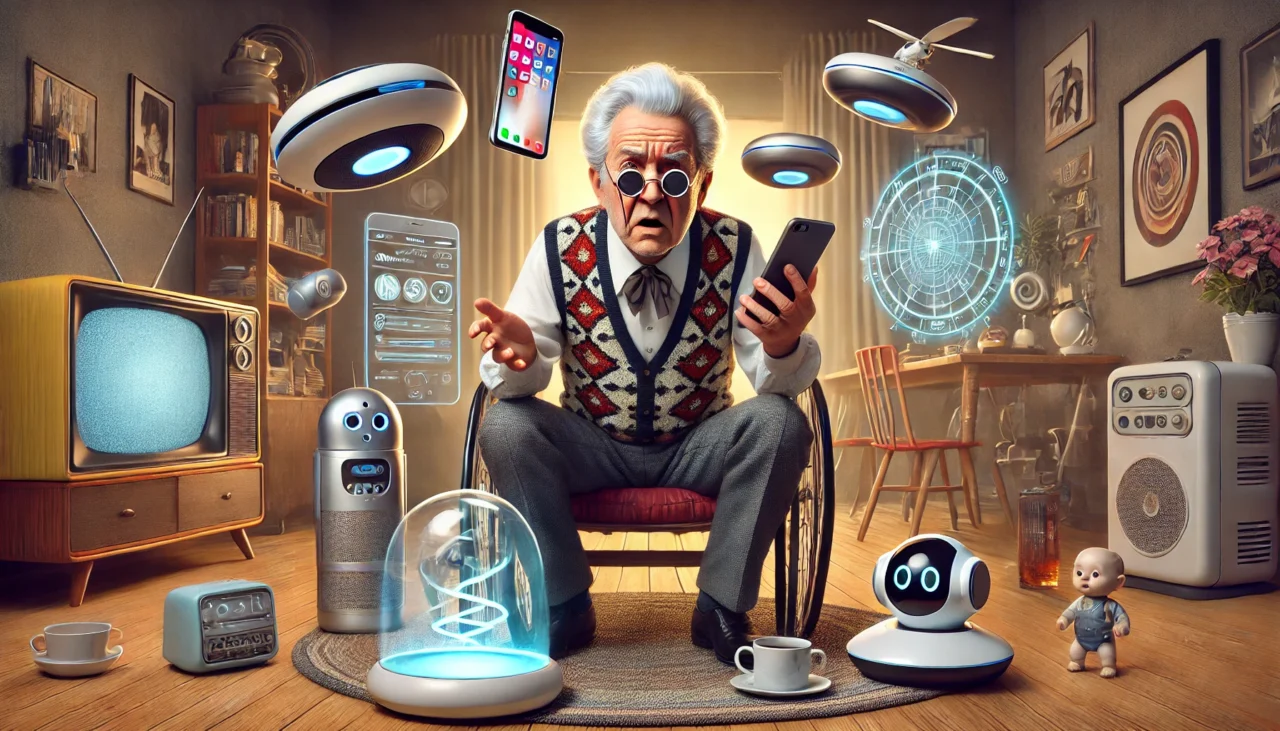
The term "Boomer“ is a shortened form of „Baby Boomer„, a designation and definition for people born between 1946 and 1964, during a period of significantly increased birth rates after World War II in many countries, especially in the USA. This surge in birth rates is often referred to as the „baby boom,“ hence the name „Baby Boomer.“
More recently, the term „Boomer“ has taken on an additional meaning in popular culture, particularly on social media. Here, „Boomer“ is often used as a humorous or sometimes derogatory expression to refer to individuals who are considered backward or not open to new ideas, technologies, or changes. In this context, „Boomer“ is frequently used in phrases like „Ok boomer,“ which represents an ironic or mocking reaction to outdated ways of thinking or attitudes.
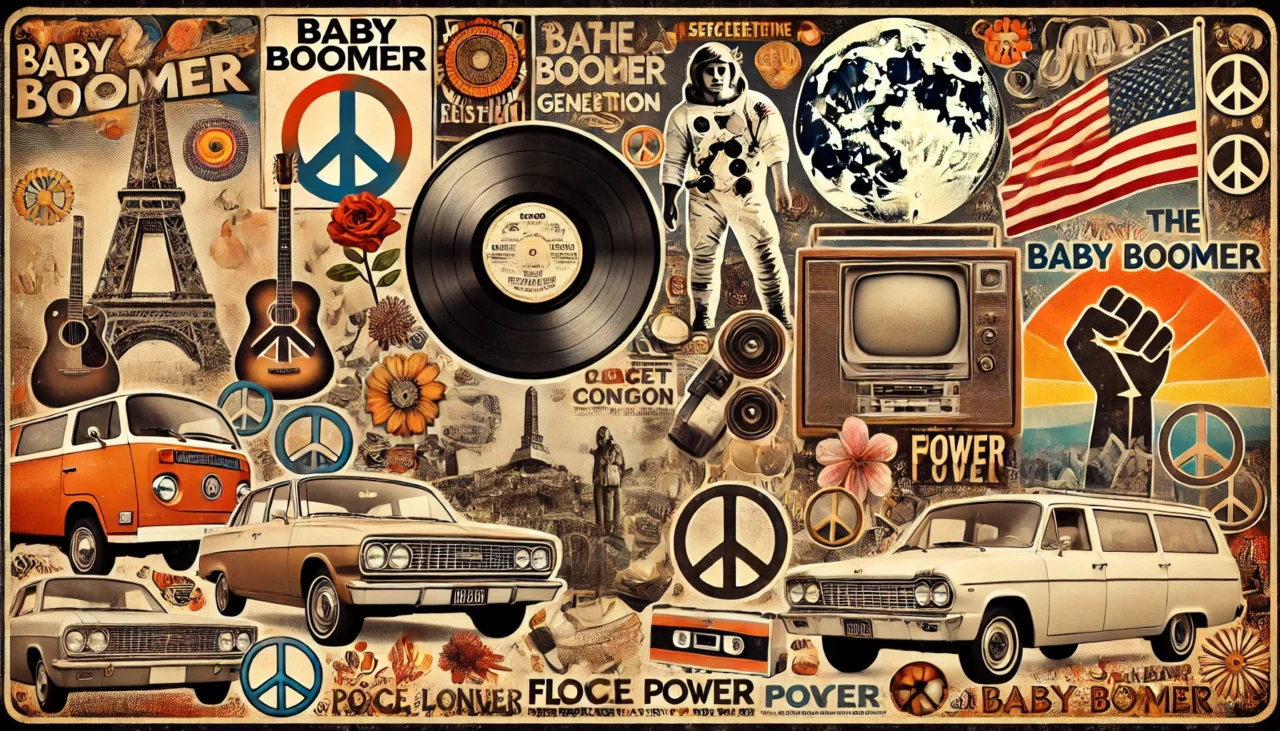
The Boomer Generation
The term „Boomer Generation“ refers to the group of people known as „Baby Boomers,“ those born in the years after World War II, between 1946 and 1964. This generation is known for its significant size and its influence on society, politics, and the economy.
The baby boomers grew up in a time of economic prosperity and great social change. They experienced the Civil Rights Movement, the Vietnam War and the sexual revolution. Their experiences and influences differ significantly from those of previous generations and have often led to characteristic views and lifestyles.
In many countries, baby boomers are known for their economic purchasing power and political influence. They are often considered one of the wealthiest generations, having benefited from a long period of prosperity and growth. However, with this generation entering retirement, challenges such as old-age provision, healthcare, and intergenerational justice have also come to the fore.
Summary:
- Generational designation: Originally, „Boomer“ stands for „Baby Boomer“, i.e., people born between 1946 and 1964 (birth cohort). This generation is known for its size and its influence on society and the economy, especially in countries like the USA, which experienced a massive increase in birth rates after the Second World War.
- Popular cultural expression: In the recent past, the term „Boomer“ has taken on a colloquial meaning in popular culture, especially among younger people. In this context, „Boomer“ is sometimes used mockingly to describe older people who are perceived as not being open to new ideas, technologies, or cultural trends. The phrase „Ok, Boomer“ is a well-known example of the term’s use in social media to signal disinterest or rejection of outdated views or attitudes.
Typical Boomer Humor (German)
Typical boomer humor can often be described as rather conservative, traditional, and sometimes a little mischievous. It frequently includes themes that emphasize generational differences, as well as anecdotes from „the good old days.“ Here are some examples of typical boomer humor:
Become more visible on Google & Social Media?
In a free strategy consultation for data-driven online marketing, we uncover your untapped potential, review any existing ad accounts if necessary, examine your SEO ranking and visibility, and determine which strategy is appropriate for your budget and which active measures will lead to more inquiries or sales.

✅ More visibility & perception through targeted placement
✅ More visitors > prospects > customers > revenue
✅ Reach target groups scalably with SEA
✅ Act and grow sustainably with SEO
🫵 Maximum success with our hybrid strategy
💪 More than 15 years of experience across industries in over 1,000+ projects demonstrable!







- Puns and dad jokes: Simple wordplay or double entendres, often presented with a wink.
- Technology humor: Jokes about the challenges modern technologies bring, or self-deprecating humor about one’s own clumsiness with new devices.
- Nostalgia: Humor that romanticizes the past, often starting with the phrase „Back when everything was better…“
- Generational conflicts: Jokes about younger generations, particularly their lifestyle, language, and priorities.
- Everyday situations: Humorous comments on everyday occurrences, often from the perspective of the older generation.
Boomer Characteristics
The characteristics of boomers can vary, but there are some traits often associated with this generation:
- Work Ethic: Baby boomers are known for their strong work ethic and commitment to their careers.
- Value on Education and Career: Many baby boomers place great importance on formal education and strive for professional advancement and security.
- Conservative Values: In general, baby boomers tend towards more traditional values regarding family, work, and society.
- Technological Adaptability: Although they did not grow up with technology, many baby boomers have developed a certain adaptability over time, even if they can sometimes be skeptical of new technologies.
- Social and Political Engagement: This generation has experienced many political and social upheavals and is often active in social and political matters.
These characterizations are, of course, generalizations and do not apply to all individuals of this generation. Cultural and personal background as well as individual experiences play a significant role in how the characteristics and humor of individual Baby Boomers manifest themselves.
Boomer Mentality
„Boomer mentality“ refers to a set of attitudes and beliefs often associated with the Baby Boomer generation. This generation, born between 1946 and 1964, grew up in a time of economic prosperity and significant social change. Their mentality was shaped by various historical and cultural events. Here are some core aspects of the typical Boomer mentality:
Optimism and Upward Mobility Orientation
Many Baby Boomers grew up believing that hard work and education lead to personal and professional success. They often have strong faith in the traditional career ladder model and the idea of the „American Dream“ or a comparable ideal in other countries.
Strong Work Ethic
Boomers are often known for placing great value on professional commitment and a strong work ethic. They tend to identify strongly with their professional role and are often willing to put in long hours and make personal sacrifices for their career success.
Resistance to Change
While this does not apply to all Baby Boomers, this generation is sometimes seen as less open to technological innovations and cultural changes, especially compared to younger generations like Millennials or Generation Z.
Materialism and Consumer Orientation
Due to the economic prosperity in which many Baby Boomers grew up, they tend to value material possessions and a certain standard of living. This is often reflected in their purchasing behavior and lifestyle.
Social Engagement
Baby Boomers witnessed and shaped important social changes such as the Civil Rights Movement, the Women’s Movement, and environmental protection. Many from this generation feel strongly connected to social and political issues and actively participate in discussions and decision-making processes.
Family Values
Many Baby Boomers place great importance on family ties and traditional family structures, even though they themselves witnessed the transformation of these structures during their lives.
However, these characteristics are only typical patterns and can vary greatly individually. Like any generation, the Baby Boomers are diverse, and not every person shares the same beliefs or behaviors.
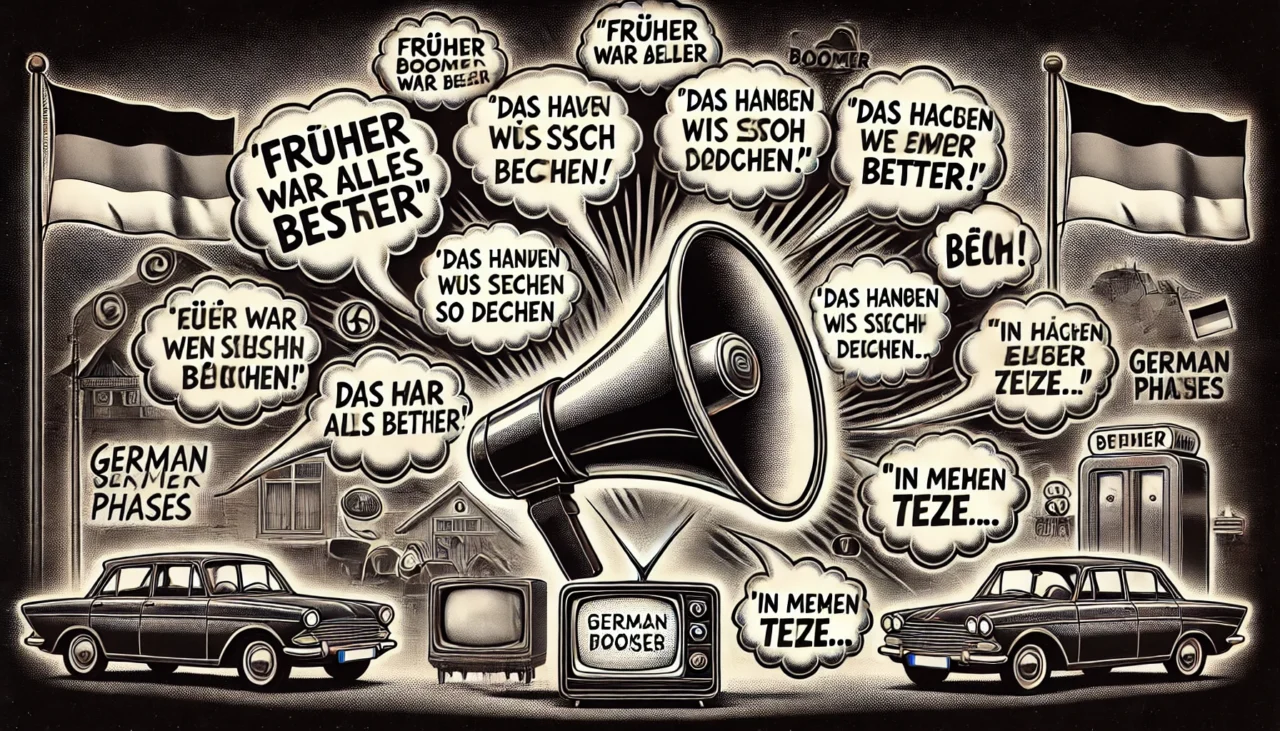
10 popular Boomer sayings in German
These sayings are often associated with the Baby Boomer generation or humorously depicted as typical comments from older generations:
- "Everything used to be better."
- "We've always done it this way."
- "In my day…"
- "When I was your age…"
- "That's not real music."
- "In my time, there was still respect for elders."
- "One should still be allowed to say that!"
- „I didn't study for this to…"
- „We had to work harder for what we had."
- „We didn't have that when we were young."
20 Boomer Words from Youth Slang
These words originate from the time when Baby Boomers themselves were young, roughly the 1960s and 1970s:
- Hippie
- Groovy (fashionable, fantastic)
- Knorke (good, great)
- Töff-Töff (car)
- Fete (party)
- Platte (record)
- Schnieke (chic, elegant)
- Amp (musical instrument amplifier)
- Brause (lemonade)
- Mucke (music)
- Klamotten (clothes)
- Zaster (money)
- Fernsehkasten (television)
- Futschikato (gone, disappeared)
- Keule (friend, buddy)
- Schnauze (mouth)
- Molle (beer)
- Zoff (dispute)
- Schrill (striking, gaudy)
- Heiopei (clumsy person)

Influence of Boomers on the Internet and Online Marketing?
Baby Boomers have a significant influence on the internet and online marketing, even if they are often not considered the primary target group for digital innovations. However, their presence and activities on the internet continue to shape many aspects of online marketing and the digital economy. Here are some key influences:
1. Economic Purchasing Power
Baby Boomers have significant financial resources and are often at a stage in life where they are willing to invest in products and services. This makes them an attractive target group for online marketing campaigns, especially in industries such as health, travel, finance, and luxury goods.
2. Adaptation to Technology
While Baby Boomers did not grow up with digital technologies, many of them have adapted to the internet and mobile technologies. They use smartphones, tablets, and other devices to access the internet, shop, communicate, and consume information. This forces companies to design their online presences in a way that is accessible and user-friendly for older users as well.
3. Social Media Usage
Boomers are active users of social media, especially platforms like Facebook and LinkedIn. Their interactions and sharing of content on these platforms offer valuable opportunities for targeted marketing and customer loyalty. Marketers use these channels to offer tailored content that is customized to the interests and needs of Baby Boomers.
4. Online Reviews and Opinions
Baby Boomers actively participate in online discussions and influence purchasing decisions through reviews and recommendations. Their feedback on products and services is often crucial, as it is considered credible by a wide audience, including their peers and younger generations.
5. E-Commerce Growth
Boomers contribute significantly to the growth of e-commerce. They appreciate the convenience of online shopping and are willing to pay for quality and comfort. Online retailers and service providers adjust their strategies accordingly to meet the needs and preferences of this demographic group.
6. Influence on the Media Landscape
As Baby Boomers represent an important audience and readership for traditional and digital media, they continue to influence how content is produced and presented. Media companies develop content specifically aimed at the interests and media consumption of Baby Boomers to maximize their engagement.
Although often considered less tech-savvy, Baby Boomers are a dynamic and economically powerful group in the digital space.
Their behavior and preferences significantly influence online marketing strategies and the development of digital products. Companies that understand and address the needs and habits of Baby Boomers can gain significant competitive advantages.
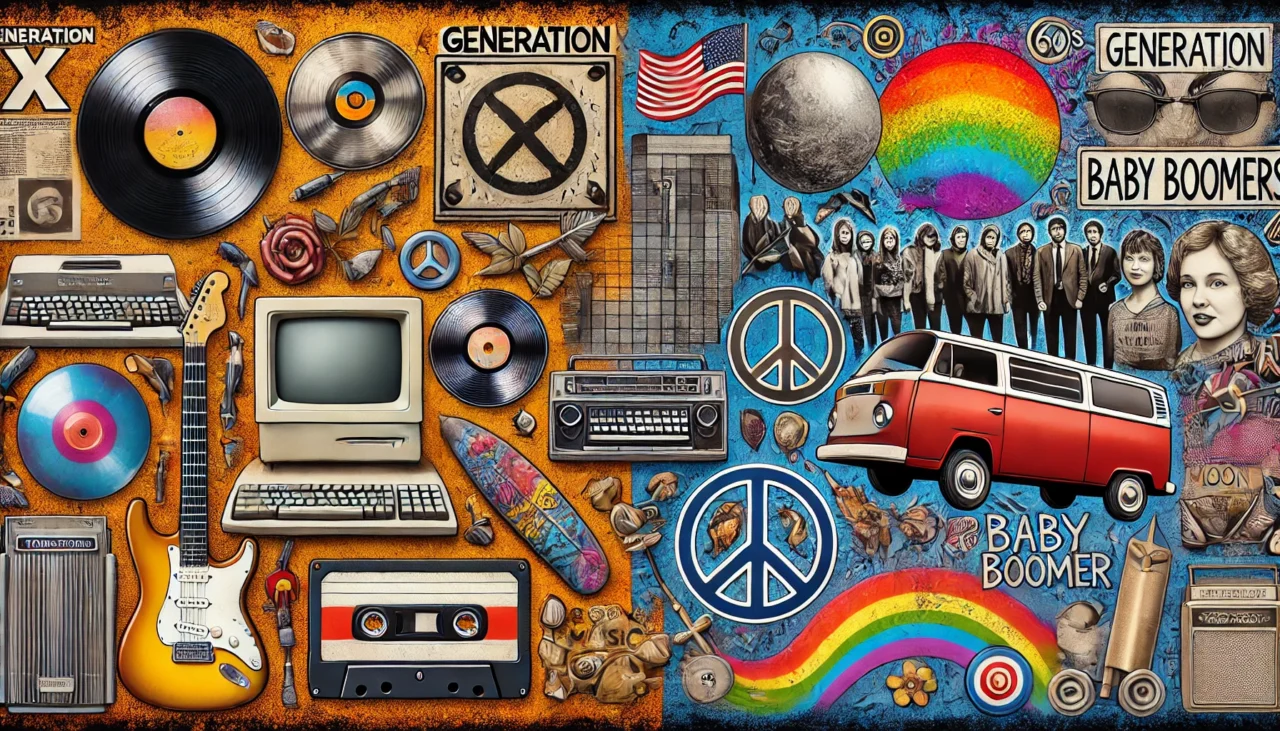
Generation X Boomer
The terms „Generation X“ and „Boomer“ (or „Baby Boomer“) refer to two distinct generations born in different time periods.
Baby Boomers
Baby Boomers are the generation born between 1946 and 1964. This generation experienced the social and political upheavals of the 1960s and 1970s in their youth, including the Civil Rights Movement, the Vietnam War, and the sexual revolution. Economically, many Baby Boomers benefited from a period of relative prosperity and economic growth.
Generation X
Generation X comprises individuals born approximately between the early 1960s and the early 1980s, often defined as from 1965 to 1980. This generation grew up during the end of the Cold War and the rise of personal computers. They also experienced a significant shift in family structure, as divorce rates increased in many Western countries during their formative years. Generation X is often described as the first generation to be worse off than their parents in terms of economic security and career prospects.
These two generations have experienced extremely different influences and experiences that shaped their attitudes, values, and views on work, family, and society.
While Baby Boomers are often associated with optimism and a strong belief in economic growth and social progress, Generation X is frequently described as more cynical and individualistic, possibly as a reaction to the uncertainties of their youth.
When Baby Boomers retire, problems begin, and what comes after Boomers?
The topic of Baby Boomers entering retirement and the resulting social and economic challenges is often discussed in politics and the media. Here are some of the challenges and considerations:
Challenges Posed by Baby Boomer Retirement
- Retirement and Healthcare: As baby boomers age, the burden on pension and healthcare systems increases. In many countries, rising costs for healthcare and pension benefits could lead to financial bottlenecks.
- Labor Shortage: In industries where many baby boomers are employed, their departure from the labor market could lead to a shortage of experienced workers.
- Knowledge Transfer: There is a challenge to transfer the knowledge and experience of baby boomers to younger employees to ensure continuity and efficiency in organizations.
- Economic Growth: Spending patterns change with retirement, which can have an impact on economic dynamics, especially in industries that are heavily dependent on the consumer spending of baby boomers.
What comes after the boomers?
After the Baby Boomers, there are two more generations that are often discussed in research and popular culture:
- Generation X: Individuals born between 1965 and 1980, known for their adaptability and independence. They entered the workforce during a time of economic uncertainty and technological change.
- Millennials (Generation Y): This generation, born between 1981 and 1996, grew up with digital technology and has different expectations for working life and work-life balance. They place great importance on meaningful work and social responsibility.
- Generation Z: Those born after 1997, now entering the job market, are digital natives who grew up in a world of social media and global networking. They address issues such as sustainability, diversity, and inclusion.
Each of these generations brings its own perspectives, preferences, and skills to society and the labor market, leading to changes in many areas of life. These transitions require flexible adaptations in politics and economics to meet the different needs and challenges.
Other meaning Boomer dog / dog breed
The term „Boomer“ is also used in various contexts as a nickname or proper name for dogs, but it is not an official designation for a specific dog breed. Often, the name „Boomer“ is used for mixed-breed dogs or generally for dogs that are particularly loyal or affectionate, without being a defined breed.
In popular culture, the name „Boomer“ sometimes appears as a name for fictional dogs in movies, books, or television series, which can contribute to the name being perceived as a typical „dog name.“ If you are interested in a specific dog breed or would like to learn more about a breed that is „boomer“-like in appearance or behavior, I would be happy to find information for you.
Small dog breeds
- Chihuahua
- Dachshund (Teckel)
- Pomeranian (Dwarf Spitz)
- Maltese
- French Bulldog
Medium-sized dog breeds
- Beagle
- Cocker Spaniel
- Bulldog
- Australian Shepherd
- Border Collie
Large Dog Breeds
- Labrador Retriever
- German Shepherd Dog
- Golden Retriever
- Boxer
- Rottweiler
Very Large Dog Breeds
- Great Dane
- St. Bernard
- Mastiff
- Irish Wolfhound
- Newfoundland
Working and Service Dog Breeds
- Siberian Husky
- Alaskan Malamute
- Doberman
- Belgian Shepherd Dog
- Airedale Terrier
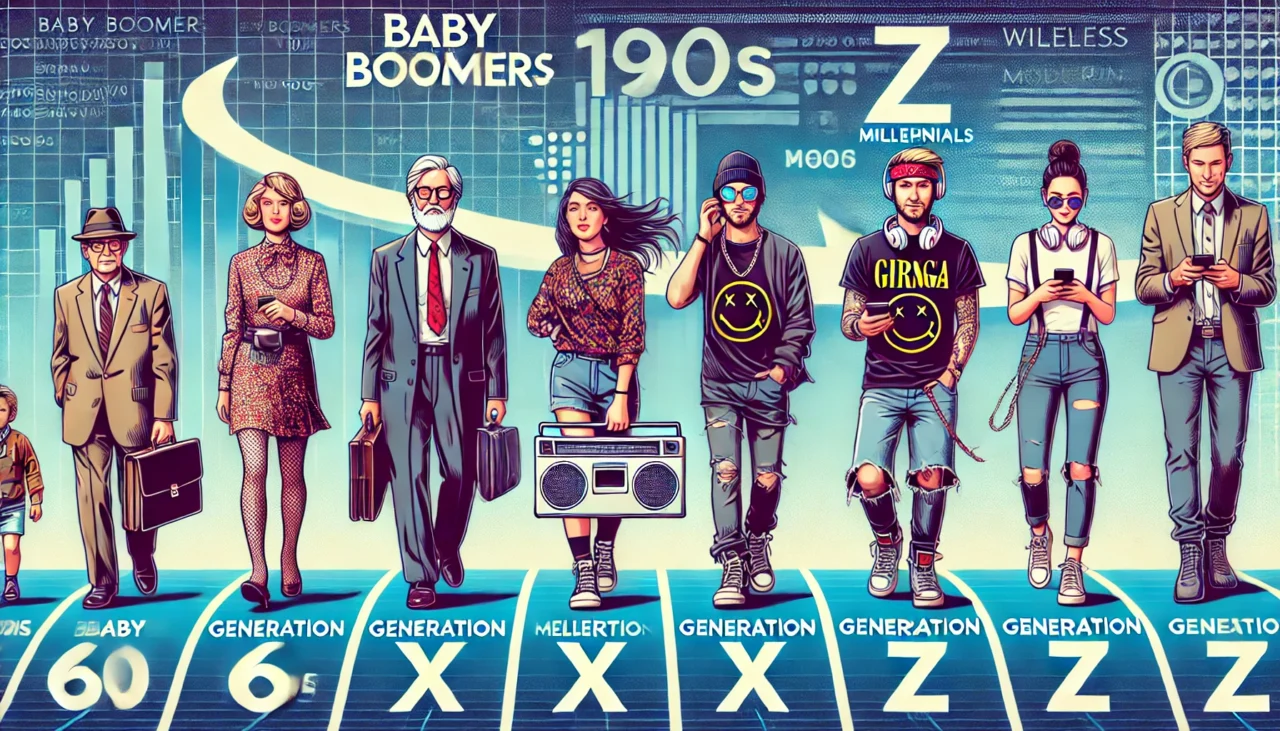
Summary: Baby Boomers and the Generational Comparison
Baby Boomers: Definition and Timeframe Baby Boomers are a demographic group born in the years following World War II, from 1946 to 1964. This generation was named because they were born during a significant increase in the birth rate – the so-called „baby boom.“ Their childhood and youth were characterized by prosperity and optimism, but also by social upheavals.
Economic and Social Conditions Baby Boomers grew up in a period of strong economic growth. In many countries, post-war reconstruction and technological innovations led to an unprecedented standard of living. At the same time, Baby Boomers were witnesses and participants in significant social movements, including the Civil Rights Movement, the Women’s Movement, and protests against the Vietnam War.
Values and Attitudes The Boomer generation tends towards traditional values such as hard work, individual success, and a strong sense of community. They place great importance on education, professional careers, and material prosperity. Their approach to work and family is often more conservative and less flexible than that of subsequent generations.
Technology and Media Baby Boomers were the first generation to use television as a primary medium for entertainment and information. Their adoption of technology ranges from the introduction of color television to the spread of the internet, with many Boomers actively using digital technologies today.
Generational Comparison: Baby Boomers, Generation X, Millennials, Generation Z Compared to subsequent generations, Baby Boomers differ significantly:
- Generation X (born 1965 to 1980): This group grew up in a time of economic uncertainty and technological upheaval. They are known for their skepticism towards authority and a high degree of independence. Compared to Boomers, they are less optimistic and more cynical.
- Millennials (born 1981 to 1996): Millennials experienced their formative years during digitalization and globalization. They are more technologically savvy and value flexibility and work-life balance more. They often fare worse economically than Boomers at the same point in life.
- Generation Z (born 1997 onwards): This youngest group has been familiar with digital media from an early age and places great importance on individuality as well as social and ecological sustainability. They are politically and socially active and tend to critically question traditional values and structures.
TL;DR: Baby Boomers (1946-1964) are a generation that grew up in a time of economic prosperity and major social changes. They are known for their strong work ethic and traditional values. In contrast, subsequent generations such as Generation X, Millennials, and Generation Z have experienced different economic challenges, technologies, and societal changes that have shaped their values, work styles, and life views. Each generation reacts to the specific circumstances of its time, leading to different attitudes and behaviors.


 DE
DE