

Pay Per Click (PPC) – The Ultimate Guide to Successful Online Marketing
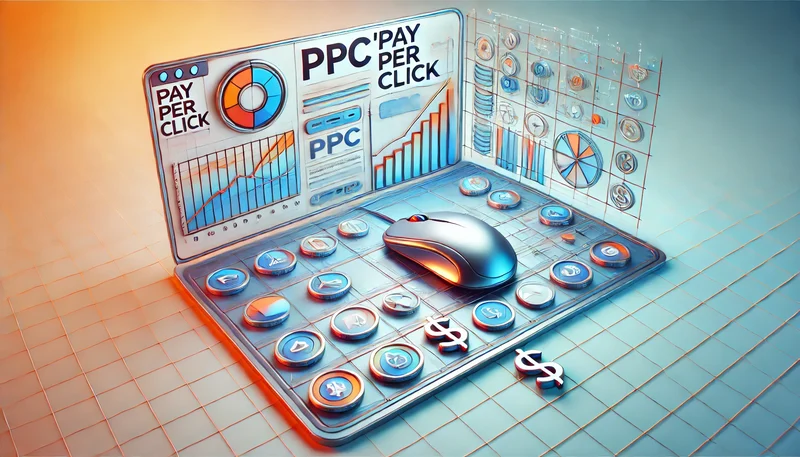
Online marketing requires effective strategies for customer acquisition. Pay Per Click (PPC) marketing enables targeted advertising measures with flexible cost control. This guide provides a fundamental understanding and practical application possibilities.
What is Pay Per Click (PPC)?
PPC marketing is based on a performance-based billing model for online advertising. Advertisers only pay when users actively click on their ads. This method ensures maximum cost transparency while controlling success. Small and medium-sized businesses, in particular, benefit from the ability to precisely manage advertising budgets and adapt campaigns as needed. The central advantage lies in the immediate measurability of advertising success through traceable click-through rates and conversion tracking.
An Overview of the Various PPC Platforms
Various platforms offer PPC advertising opportunities. Search engine marketing dominates the field, followed by social media platforms and specialized advertising networks. Each channel has its own strengths and target audience segments. High-reach platforms enable broad marketing campaigns, while specialized networks allow targeted addressing of specific user groups. The appropriate platform choice, according to marketing goals, is crucial for advertising success.
Google Ads as the Most Important PPC Channel
Search engine advertising via Google Ads dominates the PPC market. The system enables precise targeting through keyword-based ad placement. Advertisers define relevant search terms and maximum click prices. Automated auction systems regulate ad placement based on quality factors and bidding strategies. Successful Google Ads management requires continuous optimization of the campaign structure and regular adjustment of the keyword strategy.
Social Media PPC Advertising
Social media platforms offer extensive targeting options for PPC campaigns. Demographic characteristics, interests, and user behavior determine ad delivery. Various ad formats enable creative campaign design. Interactive elements promote user engagement and viral spread. Regular performance analyses help optimize campaign efficiency.
Cost Structure and Budgeting in PPC Marketing
Effective budget management forms the foundation of successful PPC campaigns. Daily budgets protect against unplanned cost explosions, while flexible bids ensure market-driven ad prices. Automatic bidding strategies optimize cost efficiency through algorithmic adjustments. Detailed cost analyses enable targeted budget allocation to high-performing campaigns. Seasonal fluctuations and competitive density significantly influence the required click prices.
Setting Bid Limits
Maximum click prices are based on the expected customer benefit and conversion value. Bid limits must maintain a balance between competitiveness and profitability. Factors such as time of day, device usage, and geographical locations influence optimal bid amounts. Dynamic adjustments of bid limits react to market changes and performance developments. Detailed conversion tracking data supports the fine-tuning of bidding strategies.
PPC vs. Organic Search
Pay-Per-Click marketing and organic search engine optimization complement each other perfectly. PPC provides immediate visibility and measurable results, while SEO builds long-term reach. Combined strategies maximize presence in search results. Keyword analyses from PPC campaigns provide valuable insights for SEO optimizations. Reciprocal data analyses enable cross-channel performance improvements.
Setting Up Successful PPC Campaigns
Structured campaign planning begins with clear goal definitions and target audience analyses. Careful keyword research and ad copy creation form the basis of efficient campaigns. Landing page optimization increases conversion rates through user-friendly design. Regular testing of different ad variations identifies top performers. Technical implementation requires precise tracking setup and conversion measurement.
Become more visible on Google & Social Media?
In a free strategy consultation for data-driven online marketing, we uncover your untapped potential, review any existing ad accounts if necessary, examine your SEO ranking and visibility, and determine which strategy is appropriate for your budget and which active measures will lead to more inquiries or sales.

✅ More visibility & perception through targeted placement
✅ More visitors > prospects > customers > revenue
✅ Reach target groups scalably with SEA
✅ Act and grow sustainably with SEO
🫵 Maximum success with our hybrid strategy
💪 More than 15 years of experience across industries in over 1,000+ projects demonstrable!






Keyword Research for PPC
Keyword analyses identify relevant search terms with an optimal cost-benefit ratio. Negative keywords exclude irrelevant search queries and optimize budget utilization. Long-tail keywords enable cost-effective niche presence with less competition. Seasonal trends and search volume developments influence the keyword strategy. Competitive analyses provide insights into promising keyword opportunities.
Target Audience Analysis and Targeting
Precise target audience definition maximizes campaign efficiency by reducing wastage. Demographic, geographic, and interest-based targeting options enable granular user addressing. Remarketing strategies activate already interested visitors through personalized ads. Behavior-based segmentation optimizes ad delivery based on user activities. Cross-device tracking records user interactions across devices.
Ad Design and Copy
Compelling ad texts combine relevant keywords with clear calls to action. Concise descriptions convey central benefit promises and unique selling propositions. Dynamic text adjustments personalize ad content based on search queries. Quality factors significantly influence ad ranking and click prices. A/B tests of different text versions continuously optimize ad performance through data-driven decisions.
Tracking and Analysis of PPC Campaigns
Comprehensive tracking systems record all relevant user interactions and conversion events. Attribution models evaluate the value contribution of various campaign elements to overall success. Performance metrics such as click-through rate and conversion rate measure campaign efficiency. Competitive analyses and market observations provide important optimization impulses. Automated reporting systems enable timely reactions to performance fluctuations.


 DE
DE