

RankBrain – How Google Improves Search Results with Shipping

RankBrain is a component of Google’s algorithm that uses artificial intelligence and machine learning to improve search results. It was introduced in late 2015 and has since become one of the most important ranking factors. RankBrain helps Google better understand the intent behind search queries and deliver more relevant results, especially for complex, vague, or never-before-asked queries.
The system processes millions of search queries daily, about 15% of which are new. RankBrain converts words into mathematical vectors, allowing it to interpret unknown terms and provide suitable results. It analyzes the relationship between words and recognizes patterns to better grasp the context and intent of the user. This enables more effective processing of long-tail keywords and complex search queries.
For search engine optimization, this means a stronger focus on high-quality, semantically relevant content and a comprehensive answering of user queries. Keywords alone are less decisive; instead, user experience and the intent behind the search come to the forefront. This requires designing content in a way that comprehensively addresses the needs and questions of the target audience.
RankBrain Functionality and Keyword Relevance with Significance for Search Engines
How RankBrain Works
RankBrain is a machine learning system that is not based on hard-coded algorithms. It analyzes user behavior and adjusts the algorithm accordingly to deliver more relevant search results. By learning offline from historical data, the system tests and implements new search results that prove to be relevant.
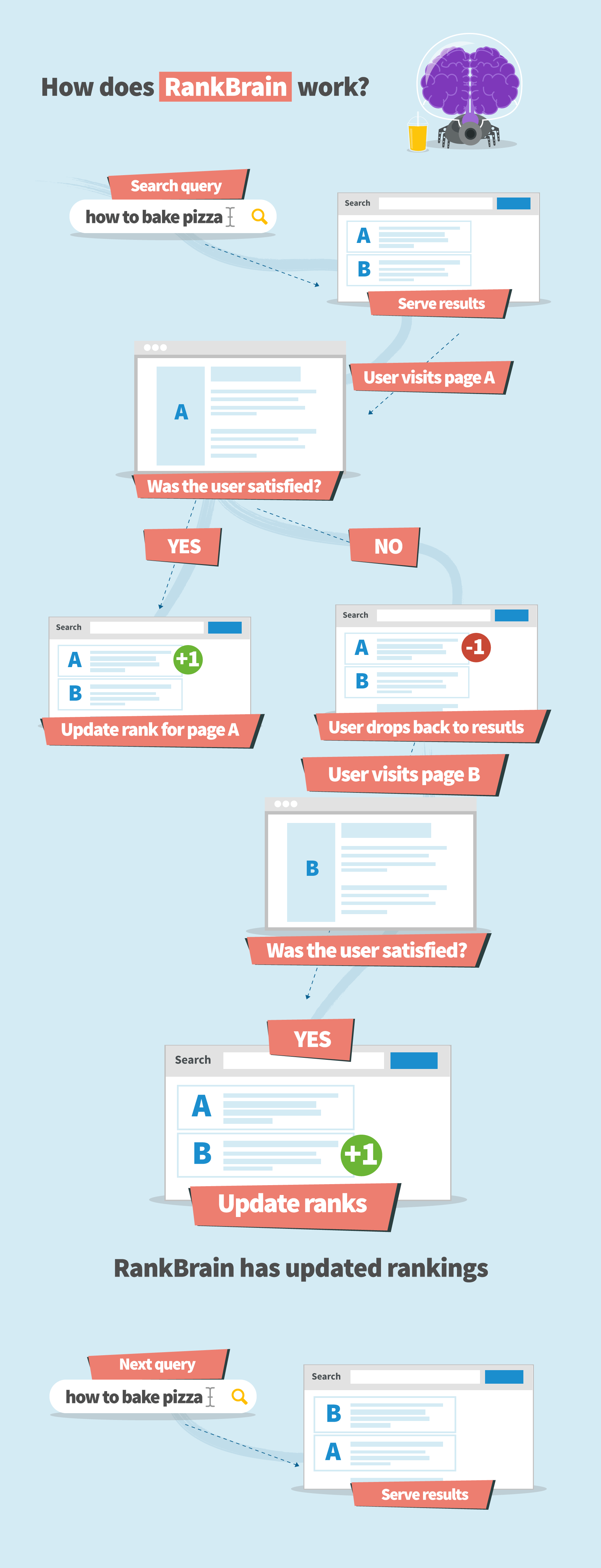
Algorithm Adjustment by RankBrain
RankBrain can change the weighting of various ranking factors depending on user behavior. For example, if it is determined that users prefer shorter content, RankBrain can reduce the importance of content length and backlinks and instead give higher weight to factors such as recency.
Understanding Keywords
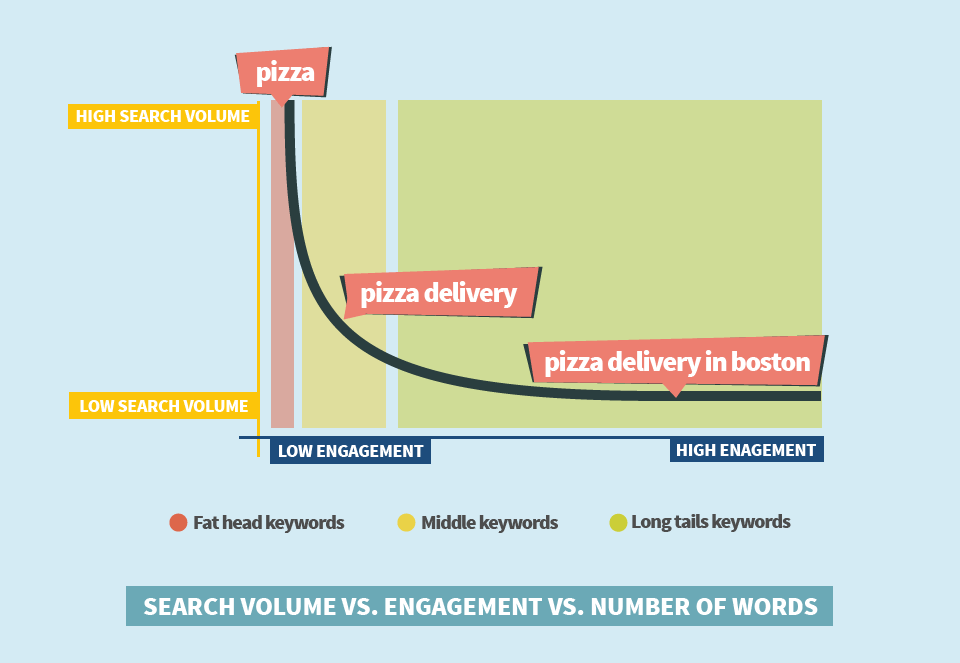
Previously, Google’s algorithm attempted to match search queries with exact keywords, which often led to unsuitable results. RankBrain, however, better understands the meaning and context of keywords and can identify the user’s search intent. It recognizes that similar long-tail keywords relate to the same topic and therefore provides comparable search results for various similar queries.
The two main tactics from the article for keyword research for RankBrain are:
1. Focus on medium long-tail keywords
- Concentrate on keywords with 3 to 4 words, as RankBrain understands these better and connects thematically similar queries.
- Instead of aiming for exact matches, the content should target the user intent behind these keywords.
2. Optimization for user-friendliness and search engines
- Create content that is both informative and engaging. Over-optimization that disrupts the reading flow should be avoided.
- Use appealing titles and meta descriptions by including elements such as numbers, lists, questions, and special characters to increase the click-through rate (CTR).
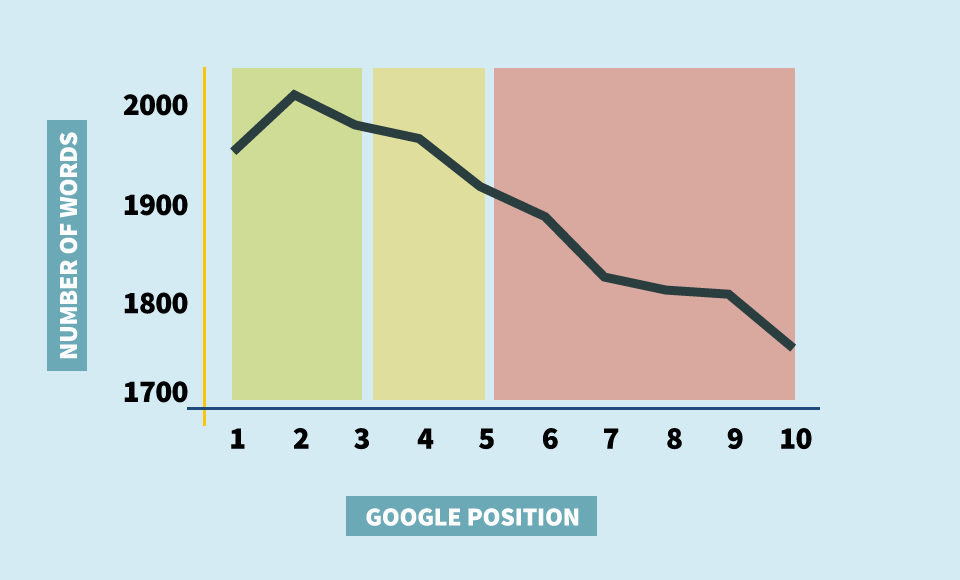
- Longer, detailed content can increase dwell time and engagement, which is positive for ranking.
The length of a good article, post, or landing page should be at least 2,000 words.
Keyword Research Tactics for Search Engine Optimization
Optimizing for RankBrain requires a focus on „medium“ long-tail keywords, consisting of 3 to 4 words. These should be prioritized because RankBrain recognizes similar long-tail phrases as the same topic and ranks them accordingly. It is important to create content that is both appealing to users and strategically optimized for search engines. Over-optimized content can negatively impact the user experience. Therefore, titles and descriptions should be optimized by using numbers, lists, questions, and special characters to increase the click-through rate. Longer, detailed content can also lead to higher engagement.
The ideal coaching to truly reach the top 3 on Google:
Learn SEO (learn search engine optimization) from a professional


 DE
DE