

User Experience (UX) – The Ultimate Guide to Successful Digital Design
What is User Experience? An Introduction to UX Design
User Experience (UX) defines the sum of all experiences users gather during interaction with a product or service. This discipline encompasses all aspects of user interaction and aims to create positive experiences. Key elements include usability, accessibility, and emotional resonance. The systematic design of these experiences is carried out through UX Design, which combines user-centered methods with technical expertise.
The success of digital products is largely based on the quality of their User Experience. Effective UX Design considers the needs, expectations, and behaviors of the target audience. These insights flow into the design of interfaces and interaction flows. The combination of functional requirements with emotional aspects is particularly significant.
The basic principles of User Experience include clarity, consistency, and efficiency. Users should be able to complete tasks intuitively without encountering obstacles. Well-thought-out UX Design minimizes cognitive load and maximizes satisfaction. These aspects directly contribute to the success of digital products.
UX vs. UI: Key Differences and Interaction
Differentiating between User Experience (UX) and User Interface (UI) requires a deep understanding of both disciplines. UX encompasses the strategic level of user interaction and focuses on user behavior, needs, and emotions. UI, on the other hand, concentrates on the visual and interactive design of the user interface. This distinction allows for targeted optimization of both areas.
A successful interplay of UX and UI is based on close coordination. The UX strategy defines the fundamental requirements and goals, while UI translates these into concrete visual elements. User-centered design decisions consider both perspectives. This integration creates coherent and effective digital products.
Understanding the specific roles enables optimal resource utilization in the development process. UX specialists analyze user behavior and develop concepts, while UI designers implement these visually. This division of labor ensures high-quality results through specialized expertise in both areas.
The History of UX: From Usability to User Experience
The development of User Experience dates back to the early days of computer technology. Initially, the design of digital systems focused primarily on technical functionality. The realization that usability is crucial for the success of technical systems led to the emergence of the usability discipline. This early phase laid the foundation for modern UX concepts.
The transition from pure usability to comprehensive User Experience marks a paradigm shift. In addition to functional aspects, emotional and aesthetic factors came into focus. This broadening of perspective allowed for a holistic view of user interaction. Usability became an integral part of the broader UX concept.
The integration of psychological and sociological insights deepened the understanding of user needs. Empirical research methods and systematic analyses continuously refined UX practices. This scientific foundation established UX as an independent discipline in digital product design.
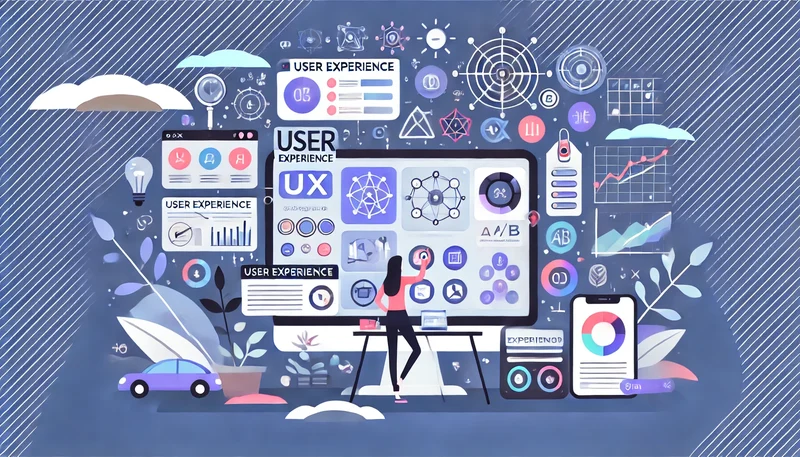
The 5 Core Elements of Successful User Experience
Successful User Experience is based on five central elements: accessibility, usability, findability, credibility, and value. Accessibility ensures that all users, regardless of their abilities or technical limitations, can use the product. Usability enables intuitive and efficient operation without frustration or confusion.
Become more visible on Google & Social Media?
In a free strategy consultation for data-driven online marketing, we uncover your untapped potential, review any existing ad accounts if necessary, examine your SEO ranking and visibility, and determine which strategy is appropriate for your budget and which active measures will lead to more inquiries or sales.

✅ More visibility & perception through targeted placement
✅ More visitors > prospects > customers > revenue
✅ Reach target groups scalably with SEA
✅ Act and grow sustainably with SEO
🫵 Maximum success with our hybrid strategy
💪 More than 15 years of experience across industries in over 1,000+ projects demonstrable!







Findability ensures that users can quickly locate needed information or functions. A logical structure and clear navigation paths support this goal. Credibility arises from professional design, transparent communication, and reliable functionality. These factors build trust with users.
Value defines the concrete benefit for the user. This must be clearly recognizable and meet the expectations of the target audience. Consistent consideration of these core elements leads to positive user experiences and long-term user loyalty.
UI Components in the UX Context
The integration of UI components into the UX context requires strategic planning and user-centered design. Buttons, forms, navigation, and other interface elements must be both visually appealing and functionally optimal. The design of these components follows established design principles while considering specific user needs.
Consistent design guidelines ensure a uniform appearance and facilitate orientation. The arrangement and hierarchy of UI elements are based on user expectations and typical interaction patterns. This structuring reduces cognitive load and accelerates goal achievement.
Responsive design enables optimal display on various devices. UI components adapt flexibly to different screen sizes. This adaptability guarantees positive user experiences across all touchpoints.
UX Analysis: Methods and Tools
Systematic UX analysis uses quantitative and qualitative methods to optimize digital products. User interviews, usability tests, and behavioral analyses provide valuable insights into user needs and pain points. These insights enable data-driven design decisions and targeted improvements.
Analytics tools capture usage statistics and interaction patterns. Heatmaps visualize click behavior and scroll patterns, while conversion funnels show abandonment rates. This data identifies optimization potential and measures the success of UX measures.
Prototyping and A/B tests evaluate different design variants under real conditions. The systematic evaluation of test results leads to well-founded design decisions. This iterative process ensures continuous improvements in User Experience.
UX Design in Practice: From Theory to Application
The practical implementation of UX Design requires a methodical approach and continuous adaptation to user needs. The design process begins with comprehensive research and user analysis. This foundational work enables targeted concept development and effective solutions. User scenarios and personas concretize the requirements of the target audience.
Wireframes and prototypes visualize initial solutions and enable early feedback. The iterative refinement of these prototypes is based on systematic user tests and their evaluation. Design decisions consistently align with user needs and project goals. This balance between creative design and analytical evaluation characterizes successful UX Design.
A structured design process guarantees efficient resource utilization and targeted development. Continuous review and adaptation of design solutions gradually optimize the user experience. This systematic approach minimizes development risks and maximizes project success.
UX Web Design: Optimal Design of Digital Presences
UX web design focuses on the specific requirements of digital platforms. The website’s structure follows logical information hierarchies and typical user expectations. Clear navigation paths enable intuitive orientation and quick goal achievement. The content strategy considers different user needs and information depths.
Performance and loading times significantly influence the user experience. Technical optimization ensures fast response times and smooth interaction. Mobile optimization guarantees positive user experiences on all devices. These technical aspects are an integral part of UX web design.
The integration of content management systems allows for flexible updating and maintenance. User-friendly administration interfaces facilitate editorial work. This backend functionality supports the long-term care and further development of the website.
UX in E-Commerce: Conversion through Optimal User Experience
Optimizing the user experience in e-commerce focuses on increasing conversion and customer loyalty. The purchasing process must run smoothly and build trust. Product presentation, shopping cart functionality, and the checkout process are critical touchpoints. A well-thought-out UX strategy minimizes purchase cancellations and maximizes customer satisfaction.
Product filters and search functions enable quick discovery of desired items. Detailed product information and high-quality images support informed purchasing decisions. User-friendly forms and transparent pricing reduce uncertainties. These elements directly contribute to conversion optimization.
Personalization features increase relevance and customer loyalty. Product recommendations are based on individual user behavior and preferences. The integration of rating systems creates additional trust. These features improve the shopping experience and encourage repeat purchases.
Mobile UX: Specifics of the Mobile User Experience
Mobile User Experience considers the specific requirements of mobile devices. Touchscreens and limited display sizes require adapted interaction patterns. Navigation and content structure follow mobile usage habits. Performance optimization ensures fast loading times even with weak connections.
The design of mobile interfaces is based on established patterns. Touch targets offer sufficient size and spacing for error-free operation. Responsive layouts adapt flexibly to various screen sizes. These technical aspects guarantee optimal mobile user experiences.
Offline functionality and Progressive Web Apps expand mobile usage possibilities. The integration of native device functions creates added value for mobile users. These technical innovations continuously improve the mobile user experience.
UX Success Measurement and KPIs
Systematic success measurement forms the basis for continuous UX optimization. Quantitative metrics such as conversion rates, bounce rates, and dwell time provide objective performance indicators. The analysis of these KPIs enables data-driven decisions and targeted optimization measures. Qualitative feedback methods complement quantitative data with valuable user insights.
Task success rates and time-on-task measure the efficiency of user interaction. Satisfaction scores and Net Promoter Scores capture subjective user evaluation. Regular collection of these metrics documents improvements and identifies areas for action. The combination of various metrics allows for a holistic assessment.
Automated tracking tools support continuous data collection. Dashboard solutions clearly visualize relevant key figures. This technical infrastructure enables efficient monitoring and quick reactions to changes.
UI Metrics vs. UX Metrics
The differentiated consideration of UI and UX metrics enables targeted optimizations. UI metrics focus on specific interaction elements such as click-through rates and error rates. UX metrics, on the other hand, capture overarching aspects such as user satisfaction and goal achievement. This distinction allows for precise problem analysis and tailored solutions.
Visual hierarchies and layout effectiveness can be evaluated through eye-tracking and heatmaps. User paths and conversion funnels reveal optimization potential in the overall process. Linking this data provides valuable insights into the interplay of UI and UX.
A/B tests compare different design variants under real conditions. Statistical evaluation identifies successful design patterns. This empirical approach optimizes both UI elements and overarching UX aspects.
Best Practices and Common Mistakes in UX Design
Successful UX strategies are based on proven design principles and current user expectations. Consistent navigation and clear visual hierarchies facilitate orientation. Understandable error messages and helpful feedback mechanisms support user interaction. These basic principles form the foundation of positive user experiences.
Common mistakes arise from a lack of user research and excessive complexity. Unclear user guidance and inconsistent design lead to frustration. Performance problems and a lack of mobile optimization impair user satisfaction. Avoiding these errors requires systematic quality assurance.
Regular user tests and iterative optimization minimize risks. Early feedback prevents costly misdevelopments. This preventive approach ensures long-term project success.
Conclusion: UX as the Key to Digital Success
User Experience is increasingly establishing itself as a decisive success factor for digital products. The systematic design of positive user experiences requires a methodical approach and continuous optimization. The integration of new technologies and changing user expectations shapes the further development of the UX discipline.
Successful UX strategies combine user research with technical innovation. Data-driven decisions and iterative improvements ensure long-term project success. The collaboration of various disciplines enables holistic solutions that are both functional and emotionally appealing.
The future of User Experience lies in the intelligent combination of proven design principles with innovative technologies. Personalization and context-dependent adaptation will become standard requirements. This development underscores the growing importance of professional UX design for digital transformation.


 DE
DE