

XRechnung
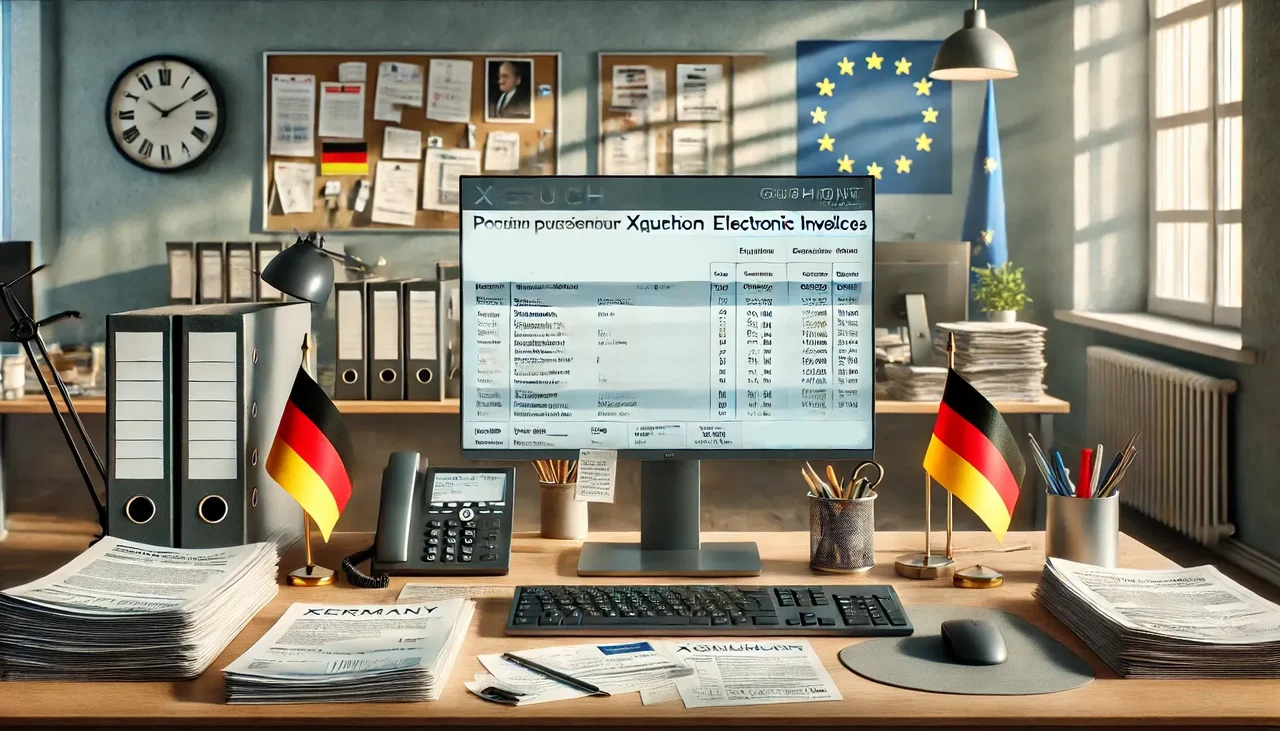
The XRechnung is a standardized format for electronic invoices, used particularly in the public sector in Germany. It was developed to comply with the requirements of EU Directive 2014/55/EU, which aims to standardize electronic invoicing for public contracts within the European Union. The main goal of XRechnung is to increase efficiency and transparency in the processing of invoices between public contracting authorities and their suppliers.
Characteristics of XRechnung:
- Structuredness: XRechnung is a structured, machine-readable format that does not contain graphical elements such as logos or handwritten notes. It is based on XML (eXtensible Markup Language), which facilitates automatic processing and data exchange.
- Standardization: As a standardized format, XRechnung facilitates interoperability between different accounting systems by using uniform data fields and structures that are accepted at the EU level.
- Compliance: The use of XRechnung ensures that invoices comply with legal requirements, particularly with regard to the traceability and archivability of transactions in the public sector.
- Cost-efficiency: By reducing the manual effort in invoice processing, XRechnungen help save costs. Electronic processing enables faster invoice processing and can thus also contribute to faster payment processing.
- Environmental friendliness: The electronic sending and receiving of invoices reduces the need for paper, contributing to sustainability in office and administrative processes.
Scope of Application:
XRechnung is particularly important for suppliers and service providers who have business relationships with public institutions in Germany. Since November 2020, it has been mandatory for invoicing parties to submit invoices to federal authorities in Germany in the XRechnung format. This applies to invoice amounts above a defined minimum amount and aims to make invoice exchange more efficient and transparent.
Overall, the introduction of XRechnung significantly contributes to the digitalization and modernization of public administration and promotes more efficient, transparent, and environmentally friendly processing of public contracts.
Deadlines and Confusion Regarding e-Invoicing 2025
XRechnung has been in force in Germany since November 27, 2020 for invoices to the federal government and partly also for invoices to public administrations in the federal states. Since this date, all invoicing parties have been obliged to submit invoices to public contracting authorities electronically in XRechnung format or another compliant format (such as ZUGFeRD 2.1 in the EN 16931 profile).
Confusion about the date January 1, 2025:
There may be confusion regarding the date January 1, 2025, as this is in some cases associated with extensions or additional obligations related to electronic invoicing. From 2025, the mandatory use of electronic invoices could be extended to further sectors or the entire B2B area to promote EU-wide digitalization of invoicing processes. However, this depends on national legislation and further regulations.
Current Status:
- Since November 27, 2020: Mandatory use of XRechnung for invoices to public contracting authorities (federal government).
- In many federal states: Same deadline or similar key dates for the introduction of XRechnung for invoices to states and municipalities.
- As of January 1, 2025: Possible date for extensions or stricter requirements regarding mandatory electronic invoicing, especially in the B2B sector, but currently no specific legal obligation for XRechnung on this date.
In summary: XRechnung has been mandatory for invoices to the public sector in Germany since 2020. Future developments in the B2B sector or extensions of obligations could concern the year 2025.
As of January 1, 2025, electronic invoices (e-invoices) are generally mandatory in Germany for business transactions between domestic companies (B2B). This also applies to online shops if they sell goods or services to other companies within Germany. In these cases, invoices must be issued, transmitted, and received in a structured electronic format that enables automatic processing. Formats such as XRechnung or ZUGFeRD meet these requirements.
It is important that simple PDF invoices or paper invoices are no longer recognized as electronic invoices from this date onwards. However, there are transitional provisions: Until December 31, 2026, companies may continue to send paper invoices, and other electronic formats (e.g. PDF) can be used with the recipient's consent.
Companies with an annual turnover of less than €800,000 are even permitted to use these formats until 31 December 2027.
For sales to private customers (B2C), there is no obligation to issue e-invoices. This means that online shops that sell exclusively to end consumers are not subject to this requirement. Nevertheless, such shops should also be able to receive electronic invoices, as they may be supplied by other companies that issue e-invoices.
Federal Ministry of Finance
In summary, the new e-invoicing requirement applies from 2025 to online shops in the B2B sector. There is no such obligation for the B2C sector. However, it is advisable to familiarize yourself with the new requirements early on and adapt your own systems accordingly.


 DE
DE