Advertising on Meta can be expensive or very efficient. The bidding strategy is largely responsible for this. Finding the best ad strategy is not always easy. In this article, we clarify and can help to optimize advertising on Facebook & Instagram from costs to investment for more sales through the right budget distribution/optimization. It is important to understand the difference between CBO and ABO campaigns. Below in the article, we define in detail what CBO and ABO mean.
CBO vs. ABO Campaigns – Explanation, Budget Distribution/Optimization & Difference
CBO stands for „Campaign Budget Optimization“ and is a feature in Meta Ads, i.e., Instagram & Facebook ads. In CBO campaigns, the budget is set at the campaign level, and Facebook or Instagram then automatically optimizes the distribution across the different ad sets.
Key features of CBO campaigns:
- Budget is set at the campaign level
- Facebook dynamically distributes the budget across ad sets
- The goal is to maximize the overall results of the campaign
- Can increase efficiency and reduce manual optimization
ABO stands for „Ad Set Budget Optimization“ and is an alternative budgeting method in Meta Ads for Instagram and Facebook ads. In ABO campaigns, the budget is set at the ad set level, so each ad set has its own budget.
Key features of ABO campaigns:
- Budget is set at the ad group level
- Advertiser manually controls budget distribution
- Allows for more precise control over spending per ad group
- Can be optimized for specific audiences or placements

The main difference between ABO (Ad Set Budget Optimization) and CBO (Campaign Budget Optimization) campaigns lies in how the budget is allocated and optimized.
Here are the key differences:
1. Budget Allocation
ABO (Ad Set Budget Optimization):
- The budget is set at the ad group level.
- Each ad group is assigned its own budget.
- Advertisers have full control over how much money is allocated to each ad group.
CBO (Campaign Budget Optimization):
- The budget is set at the campaign level.
- The budget is automatically distributed by the Facebook algorithm among the various ad groups within the campaign.
- The algorithm prioritizes the best-performing ad groups and dynamically adjusts the budget to achieve the best results.
2. Optimization
ABO:
Become more visible on Google & Social Media?
In a free strategy consultation for data-driven online marketing, we uncover your untapped potential, review any existing ad accounts if necessary, examine your SEO ranking and visibility, and determine which strategy is appropriate for your budget and which active measures will lead to more inquiries or sales.

✅ More visibility & perception through targeted placement
✅ More visitors > prospects > customers > revenue
✅ Reach target groups scalably with SEA
✅ Act and grow sustainably with SEO
🫵 Maximum success with our hybrid strategy
💪 More than 15 years of experience across industries in over 1,000+ projects demonstrable!





- Advertisers must manually monitor the performance of individual ad groups and adjust budgets.
- It requires more manual work and monitoring to manage budgets efficiently.
- Offers more control over budget distribution, which can be particularly useful when certain ad groups or target audiences are to be prioritized.
CBO:
- The Facebook algorithm takes over optimization and automatically distributes the budget to the best-performing ad groups.
- Reduces manual effort for managing and optimizing budgets.
- Can lead to more efficient results as the algorithm continuously monitors performance and makes adjustments.
3. Flexibility and Control
ABO:
- Greater flexibility and control over budget distribution at the ad group level.
- Advertisers can set specific budgets for different target audiences or test groups.
- Suitable for campaigns where specific ad groups or target audiences are to be promoted.
CBO:
- Less manual control over specific budget distribution.
- However, it offers a simpler and automated way to use the overall budget efficiently.
- Suitable for campaigns where the algorithm takes over the best distribution based on performance data.
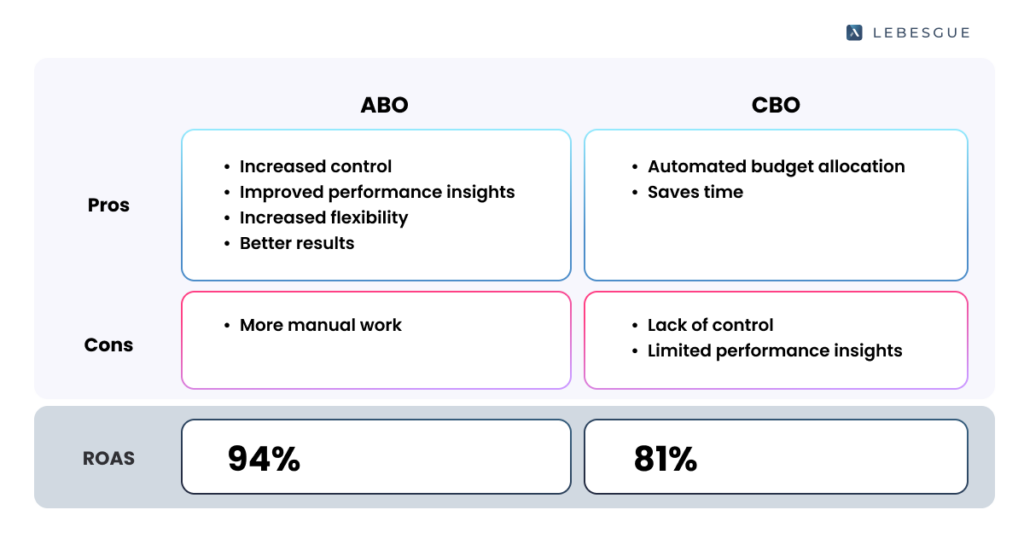
Source: https://lebesgue.io/facebook-ads/advantage-budget-optimization-or-ad-set-budget-optimization/
4. Use Cases
ABO:
- Ideal for smaller campaigns or when specific ad groups with fixed budgets are to be tested.
- Useful when advertisers prefer specific target audiences and want to promote them specifically.
CBO:
- Ideal for larger campaigns with multiple ad groups where the algorithm optimizes budget distribution.
- Useful when advertisers prefer automated and data-driven budget optimization.
More specific areas of application:
CBO (Campaign Budget Optimization) Campaigns:
- Large campaigns with many ad groups:
- Ideal for complex campaign structures where manual optimization would be time-consuming.
- Performance marketing:
- When the main goal is to maximize conversions or ROAS (Return on Ad Spend).
- Scaling successful campaigns:
- CBO can effectively distribute larger budgets across multiple ad groups.
- Campaigns with similar ad sets:
- When audiences or ad formats are similar and compete for the same resources.
- Discovery of new audiences:
- CBO can effectively shift budgets to newly discovered, high-performing segments.
ABO (Ad Set Budget Optimization) Campaigns:
- A/B tests:
- For controlled experiments where specific variables are to be tested.
- Target group-specific budgeting:
- When specific target groups are to be prioritized or served with fixed budgets.
- Campaigns with very different ad groups:
- When ad groups have very different goals, target groups, or costs per result.
- Local or regional campaigns:
- Where specific budgets need to be set for different geographical areas.
- Campaigns with regulatory restrictions:
- In industries that require precise control over spending for specific target groups.
- New or unproven campaigns:
- To precisely monitor the performance of individual ad groups before switching to CBO.
- Seasonal or limited-time offers:
- When specific ad groups need to be prioritized at certain times.
Generally speaking, CBO is often used for broader, performance-oriented campaigns, while ABO is more frequently used for campaigns that require more precise control or specific testing.

Schedule a non-binding consultation appointment now:
E-Mail: fi@vastcob.com
Florian Ibe
Summary of differences between CBO & ABO
ABO offers more control and flexibility at the ad set level, but requires more manual monitoring and adjustment. CBO offers automated and efficient budget optimization at the campaign level, reduces manual effort, and uses the algorithm to achieve the best results. The choice between ABO and CBO depends on the specific goals, the size of the campaign, and the preferences for manual control or automated optimization.
Specifically, this means for every advertiser:
- Budget Control: CBO: Budget is set at the campaign level. ABO: Budget is set individually for each ad set.
- Optimization: CBO: Facebook automatically optimizes between ad sets. ABO: Optimization only occurs within individual ad sets.
- Flexibility: CBO: Higher flexibility in budget distribution. ABO: Lower flexibility, fixed budgets per ad set.
- Manual Control: CBO: Less manual control over individual ad sets. ABO: More direct control over spending per ad set.
- Efficiency: CBO: Potentially higher overall efficiency through automatic optimization. ABO: Efficiency heavily depends on manual optimization.
- Learning Phase: CBO: Longer learning phase at the campaign level. ABO: Shorter learning phases for individual ad sets.
- Scalability: CBO: Easier to scale, especially with many ad sets. ABO: Scaling requires more manual adjustments.
- Testing: CBO: More difficult to conduct controlled A/B tests. ABO: Better suited for precise A/B tests.
- Reporting: CBO: Performance data primarily at the campaign level. ABO: More detailed performance data at the ad set level.
- Time Commitment: CBO: Lower time commitment for management. ABO: Higher time commitment for monitoring and adjustment.
A video as an explanation:
Concrete comparison table between ABO (Ad Set Budget Optimization) and CBO (Campaign Budget Optimization)
| Criterion | ABO (Ad Set Budget Optimization) | CBO (Campaign Budget Optimization) |
|---|---|---|
| Budget Allocation | At the ad set level | At the campaign level |
| Control over Budget | Full control over budget per ad set | Automatic distribution of the budget by the Facebook algorithm |
| Optimization | Manual monitoring and adjustment required | Automatic optimization based on performance data |
| Flexibility | Greater flexibility in allocating specific budgets | Less manual control, but more efficient budget utilization |
| Management Complexity | Requires more manual work and monitoring | Reduces manual effort through automatic adjustments |
| Suitable Campaign Size | Ideal for smaller campaigns or specific audience tests | Ideal for larger campaigns with multiple ad sets |
| Use Cases | – Tests of specific audiences<br>- Prioritization of certain ad sets | – Automated optimization – Efficient use of the overall budget |
| Performance Monitoring | Requires regular manual performance analysis | Algorithm continuously monitors and adjusts budgets |
| Preferred Scenarios | – When specific audiences should be specifically promoted<br>- More control over budget allocation | – When an automated, data-driven budget optimization is preferred |
This table summarizes the key differences and use cases of ABO and CBO campaigns and helps you choose the right strategy for your specific marketing goals.
Video recommendation CBO vs. ABO:
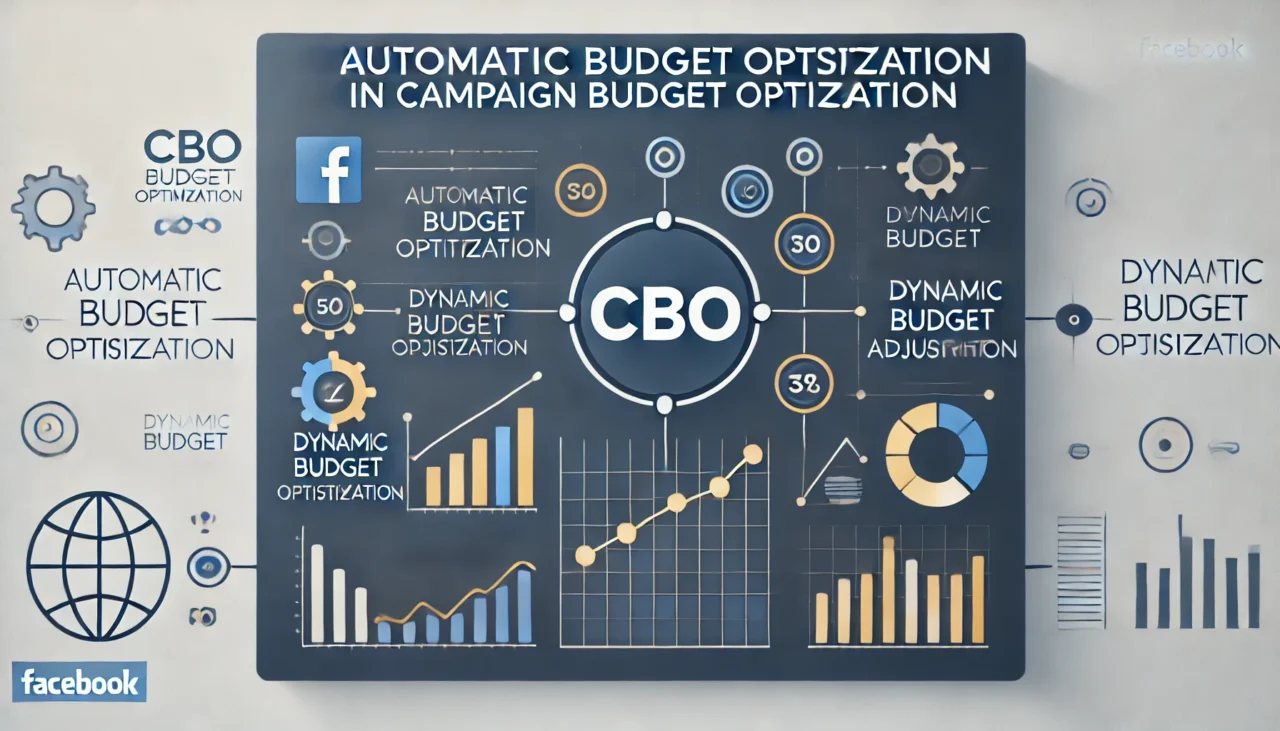
Explanation & Definition of CBO Campaigns
CBO (Campaign Budget Optimization) is a feature in Facebook Ads Manager that allows advertisers to set the budget at the campaign level and then automatically distribute it across the best-performing ad sets within that campaign. Here are some tips and best practices for creating and optimizing CBO campaigns:
1. Set Goals
Define clear and measurable goals for your campaign. Do you want to increase traffic to your website, generate leads, or boost conversions? Your goals will influence the structure of your campaign and the selection of ad sets.
2. Audience Targeting
Create different audiences for your ad sets. Use Facebook’s detailed targeting options, such as interests, demographics, and behaviors. Also consider creating Custom Audiences and Lookalike Audiences.
3. Ad Set Structure
Create multiple ad sets with different audiences and ad elements. CBO distributes the budget across the best-performing ad sets, so it is important to have various options that can be tested.
4. Budget and Bids
Set a realistic budget for your campaign. Monitor performance regularly and adjust the budget as needed. If necessary, you can also use manual bidding strategies to maintain control over spending.
5. Ad Testing
Test different ad formats, images, videos, and copy. Use A/B tests to find out which ads resonate best with your target audience. Facebook’s algorithm will favor the best-performing ads.
6. Monitoring and Optimization
Monitor your campaign’s performance regularly and analyze the results. Use Facebook Analytics to gain insights into the performance of individual ad sets and ads. Continuously optimize your campaign by pausing poorly performing ad sets or ads and running new tests.
7. Using Retargeting
Implement retargeting strategies to reach users who have already interacted with your brand. Create specific ad sets for retargeting and allocate a separate budget for them.
8. Conversion Tracking
Make sure you have the Facebook Pixel installed on your website and that conversion events are tracked correctly. This allows you to accurately measure your campaign’s performance and use the data for future optimizations.
9. Analysis and Reporting
Create regular reports on your campaign’s performance. Analyze the data to identify trends and gain insights. Use these insights to improve your future campaigns.
Conclusion: CBO campaigns can help you use your budget more efficiently and achieve better results. By setting clear goals, targeted targeting, continuous testing and optimization, you can maximize the performance of your campaigns and achieve your marketing goals.

Explanation & Definition of ABO Campaigns
ABO (Ad Set Budget Optimization) is an advertising strategy in which the budget is set at the ad set level rather than at the campaign level as with CBO (Campaign Budget Optimization). Here are some tips and best practices for creating and optimizing ABO campaigns:
1. Structuring the Campaign
a. Clear Objective
Define the goals of your campaign (e.g., brand awareness, website traffic, conversions) and create ad sets that are each aligned with specific target audiences and goals.
b. Audience Definition
Segment your target audiences and create different ad sets for each audience. Use detailed targeting options to reach relevant audiences.
2. Budget Allocation
a. Individual Budget Allocation
Assign each ad set its own budget. This gives you more control over how much is spent on each target audience and each goal.
b. Flexibility and Adjustment
Monitor the performance of each ad set and adjust the budgets accordingly. Increase the budget for well-performing ad sets and reduce it for those that are less effective.
3. Ad Testing
a. Creative Variations
Create multiple ad variations within each ad set. Test different images, videos, headlines and descriptions to find out which combinations work best.
b. A/B Tests
Conduct A/B tests to compare the performance of different ad variants. Use the insights gained to optimize your ads.
4. Performance Monitoring
a. Regular Analyses
Monitor the performance of your ad groups regularly. Use Facebook Analytics and other tools to gain insights into ad performance.
b. KPI Tracking
Track key performance indicators (KPIs) such as click-through rate (CTR), conversion rate, cost per click (CPC), and return on ad spend (ROAS) to evaluate the effectiveness of your campaign.
5. Optimization
a. Adjusting Ad Groups
Pause or stop poorly performing ad groups. Optimize well-performing ad groups by increasing their budget or adding new creative elements.
b. Audience Segmentation
Refine your audiences based on the data collected. Create Custom Audiences and Lookalike Audiences to increase the reach and relevance of your ads.
6. Retargeting
a. Re-engaging Audiences
Use retargeting to reach users who have already interacted with your brand. Create specific ad groups for retargeting and allocate a separate budget for them.
b. Dynamic Ads
Use dynamic ads to present personalized content based on user behavior on your website.
7. Reporting and Analysis
a. Regular Reporting
Create regular reports on the performance of your campaign. Analyze the data to identify trends and gain insights.
b. Data-Driven Decisions
Use the insights gained to make data-driven decisions and optimize your future campaigns.
Conclusion: ABO campaigns offer a flexible and controlled way to manage budgets at the ad set level. Through clear objectives, targeted targeting, continuous testing, and optimization, you can maximize the performance of your campaigns and achieve your marketing goals.
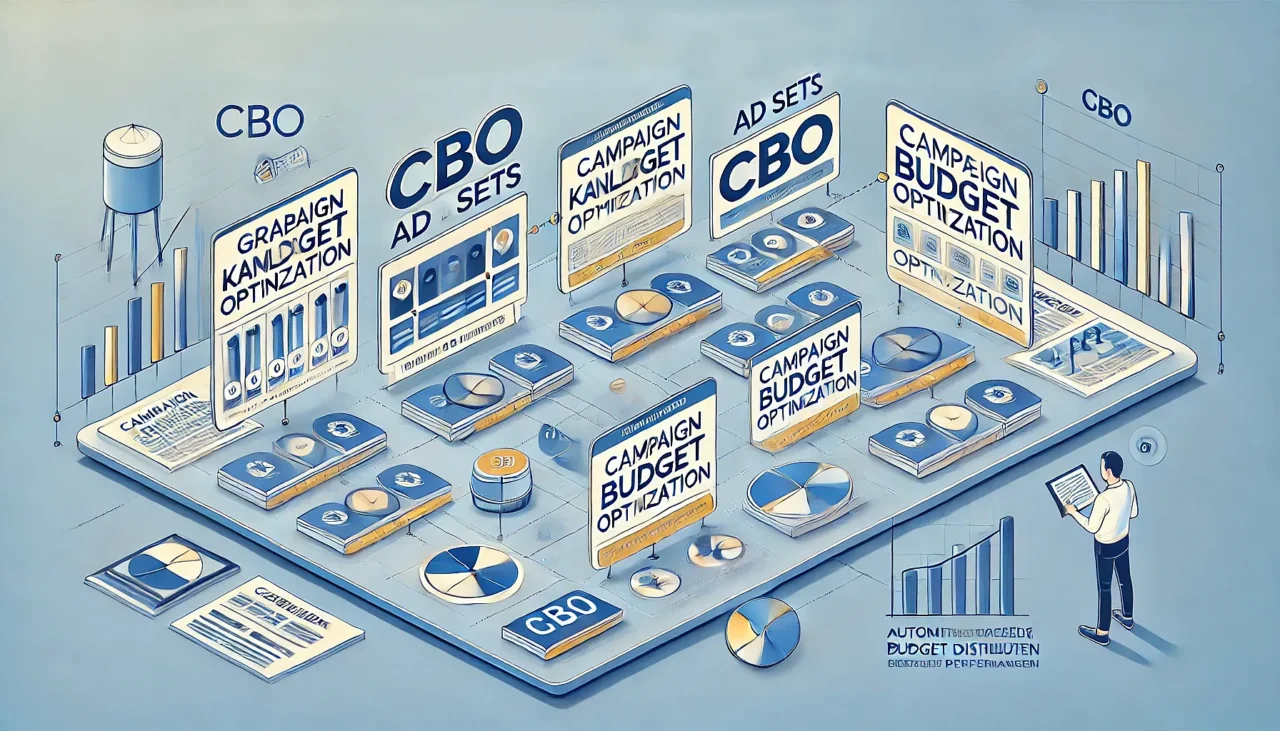
Conclusion: Summary: ABO vs. CBO Campaigns
ABO (Ad Set Budget Optimization)andCBO (Campaign Budget Optimization) are two strategies for budget management in Facebook Ads Manager.
- ABO (Ad Set Budget Optimization):
- The budget is set at the ad set level.
- Advertisers have full control over the budget allocation of each ad set.
- Requires more manual monitoring and adjustment of budgets.
- Suitable for smaller campaigns or specific audience tests.
- Offers greater flexibility, as specific audiences can be specifically promoted.
- CBO (Campaign Budget Optimization):
- The budget is set at the campaign level and automatically distributed by the Facebook algorithm to the best-performing ad sets.
- Reduces manual effort through automatic optimization.
- Ideal for larger campaigns with multiple ad sets.
- The algorithm continuously monitors performance and dynamically adjusts budgets to achieve the best results.
- More efficient use of the overall budget through data-driven decisions.
The choice between ABO and CBO depends on specific goals and preferences for manual control or automated optimization. ABO offers more control and flexibility, while CBO enables efficient and automated budget utilization.





 DE
DE