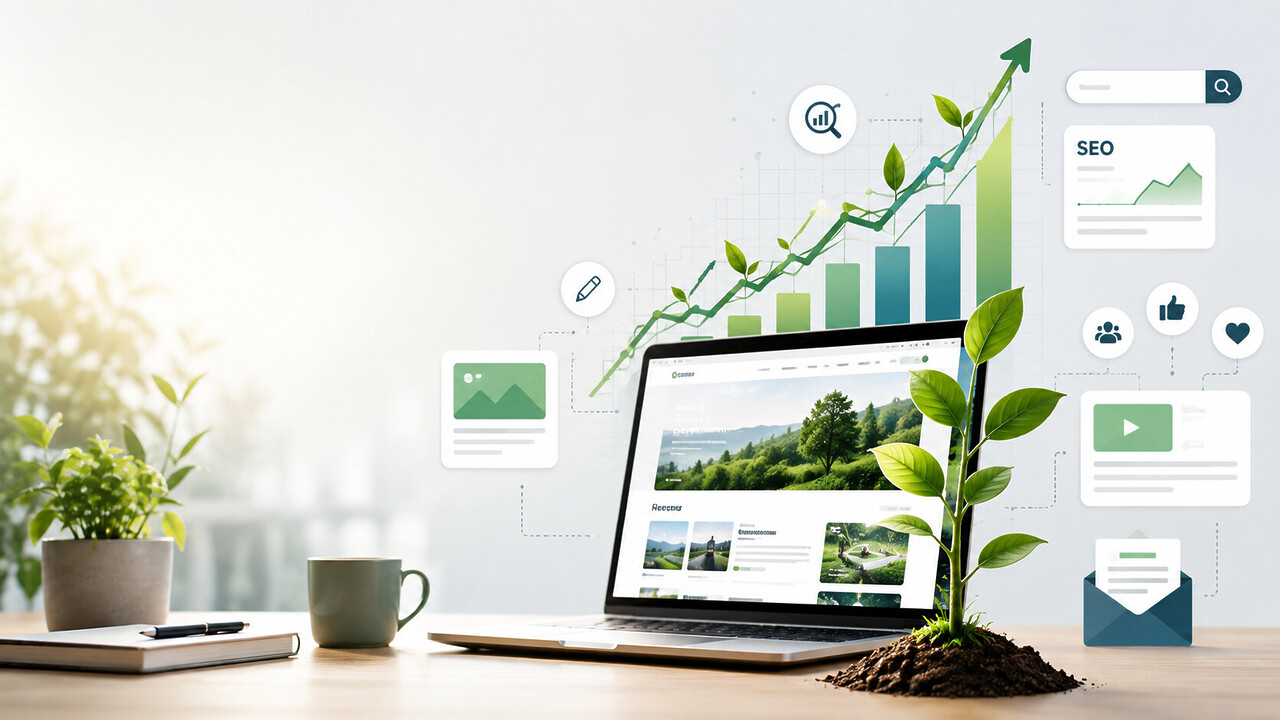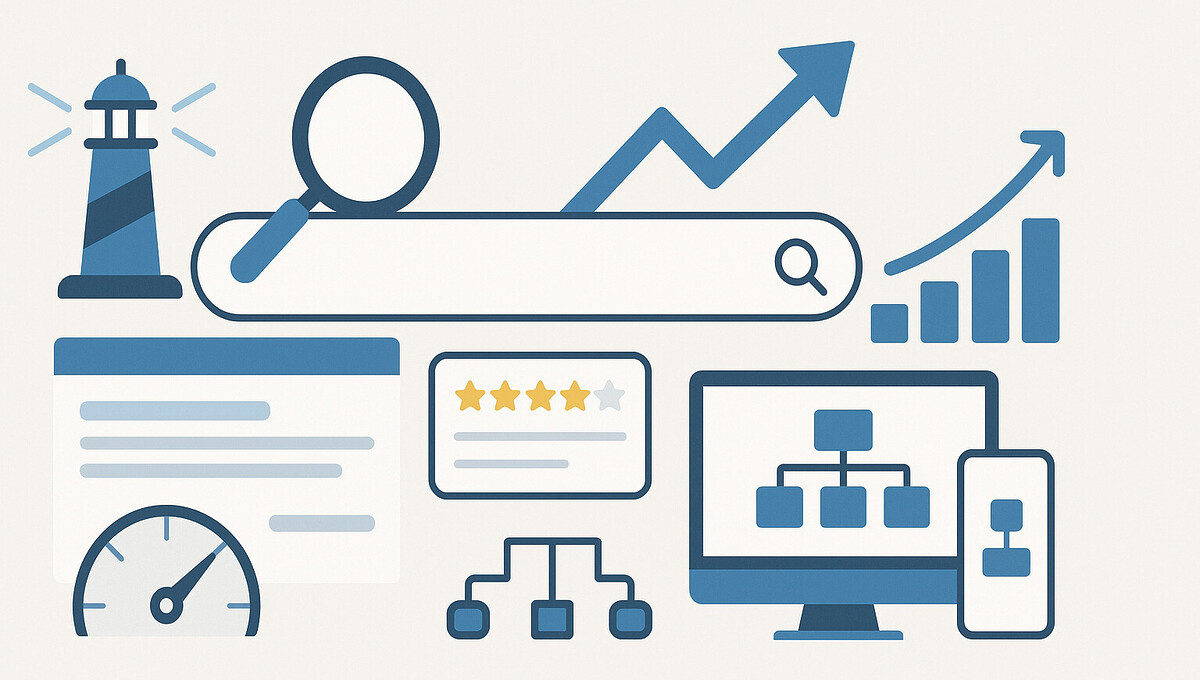
Anyone who wants to increase their Google visibility faces the challenge of being found online. A website without visitors is like a store on a deserted street – nice to look at, but commercially worthless. Increasing visibility on Google means systematically working to ensure that potential customers find you through search engines. This is not a matter of luck or technical magic, but rather measurable strategies and concrete measures.
Increase Google visibility: Practical strategies for sustainable online success
Millions of people use Google every day to find products, services, and information. If you are not visible here, you are wasting valuable potential for acquiring new customers. Visibility on Google largely determines whether your company grows or is overtaken by competitors.
This article systematically explains what Google visibility means, how you can measure it, and what concrete steps lead to measurable improvements. You will receive proven practical strategies that help you bring more qualified visitors to your website and sustainably increase your business success in the long term.
What does Google visibility mean?
Google visibility describes how well your website is found in search results. High Google visibility means that your pages appear in top positions for relevant search queries. This is no accident but the result of targeted optimization measures. Search engines evaluate websites based on various criteria and then decide on the ranking in the results.
Most people only look at the first page of search results. Studies show that the first three positions receive approximately 75% of all clicks. Websites that rank on page two or further back are practically not noticed. Therefore, it is crucial to want to increase visibility on Google and take appropriate measures.
Increasing Google visibility works through various factors: high-quality content, technical optimization, user-friendliness, and trustworthiness. Each of these areas contributes to search engines rating your website as relevant and valuable. Companies that understand these relationships and optimize systematically win significantly more customers through the internet.
How can Google visibility be measured?
The Google Visibility Index is a metric that indicates how well a website performs overall in search results. Professional SEO tools collect data daily on millions of keywords and calculate a index value for each website. This value increases when the website ranks for more keywords or ranks better for existing keywords. A declining index indicates problems or increased competition.
| Visibility Index Range | Importance | Typical Website Size |
|---|---|---|
| 0-1 | Very low visibility | Small local websites |
| 1-10 | Moderate visibility | Medium-sized enterprises |
| 10-100 | High visibility | Large enterprises |
| 100+ | Very high visibility | Market leaders, large portals |
Different tools use different calculation methods for the Google visibility index. However, all are based on the same basic principle: they measure how often and at what position a website appears in search results. Keywords with higher search volume are weighted more heavily than those with low search volume.
The development of the visibility index over time shows the success of your optimization measures. Steady improvements are a sign that your strategy is working. Sudden changes can indicate algorithm updates or technical issues. Regular monitoring helps you identify trends early and respond accordingly.
The benefits of high Google visibility
Better search engine rankings lead to significantly more website visitors. Companies with high Google visibility often receive several thousand additional visitors per month without paying advertising costs. These organic visitors are particularly valuable because they actively searched for your products or services. The conversion rate is therefore often higher than with paid advertising.
Become more visible on Google & Social Media?
In a free strategy consultation for data-driven online marketing, we uncover your untapped potential, review any existing ad accounts if necessary, examine your SEO ranking and visibility, and determine which strategy is appropriate for your budget and which active measures will lead to more inquiries or sales.

✅ More visibility & perception through targeted placement
✅ More visitors > prospects > customers > revenue
✅ Reach target groups scalably with SEA
✅ Act and grow sustainably with SEO
🫵 Maximum success with our hybrid strategy
💪 More than 15 years of experience across industries in over 1,000+ projects demonstrable!






High Google visibility acts like a quality seal. Users trust the first search results more than the lower-ranked ones. When your website ranks high for relevant search terms, it automatically strengthens the credibility of your company. This trust advantage can make the difference between an inquiry and a lost customer.
In the long term, your marketing costs decrease significantly. While paid advertising requires continuous investment, once achieved, high Google visibility works over an extended period. The investment in search engine optimization often pays off over years. Additionally, you reach target audiences who consciously skip advertising and only click on organic search results.
The 5 most important areas for improving Google visibility
Successful search engine optimization is based on five core areas that are all equally important. Neglecting one area can undermine progress in other areas. Content, backlinks, user signals, on-page optimization, and technical aspects must work together to achieve sustainable success.
Increasing SEO visibility requires specialized knowledge and continuous work in every area. While some optimizations can be implemented quickly, others show their full effect only after months. A systematic approach that considers all areas leads to the best results. Companies that optimize only individual aspects miss out on significant potential.
The correct prioritization of the various areas depends on the current state of your website. New websites first need solid content and a clean technical foundation. Established websites often benefit more from backlink building and user optimization. A professional analysis shows you where the greatest opportunities for improvement lie.
Content optimization
High-quality content forms the foundation of every successful SEO strategy. Search engines evaluate websites based on the quality and relevance of their content. Content that answers user questions, solves problems, or provides valuable information is treated preferentially. This is not just about text – videos, images, infographics, and interactive elements can also increase SEO visibility.
Successful content is created through thorough research of your target audience and their needs. What questions do potential customers ask? What problems do they want to solve? Content that addresses these aspects achieves better rankings and more user interaction. Regular updates and expansions of existing content signal to search engines that your website remains active and relevant.
The length and depth of content should match the respective topic. Complex topics require thorough treatment, while simple questions can be satisfactorily answered with shorter responses. The key is balancing completeness with readability. Content that nobody reads helps neither users nor visibility.
Backlink building
Backlinks function like recommendations on the internet. When other websites link to your page, search engines interpret this as a quality signal. However, the quality of the linking pages is crucial. A link from a trustworthy, thematically relevant website is significantly more valuable than hundreds of links from questionable sources.
Natural link building occurs through valuable content that motivates others to link to it voluntarily. Studies, surveys, free tools, or particularly helpful guides are frequently linked to. This strategy requires more time than buying links, but is more sustainable and lower risk. Search engines increasingly recognize purchased links and penalize corresponding websites.
Successful backlink strategies include:
- Guest contributions in industry-relevant publications
- Partnerships with partners and suppliers
- Participation in industry events and networking
- Creation of link-worthy content (infographics, studies)
- Building relationships with journalists and influencers
Optimize user signals
Search engines measure how users interact with your website and evaluate these signals as quality indicators. A low bounce rate, long time on site, and high click-through rates in search results signal that your website is relevant and useful. These positive user signals can improve Google visibility and lead to better rankings.
The loading speed of your website significantly affects all user signals. Slow pages lead to higher bounce rates and lower ratings. Modern users expect websites to load completely within a few seconds. Even a delay of two seconds can result in significant losses in conversions and rankings.
Mobile optimization has become essential, as more than half of all search queries come from mobile devices. Websites that display poorly on smartphones or are difficult to use lose both users and visibility. Responsive design and mobile-first development are today standard and no longer optional.
On-page optimization
Title tags and meta descriptions are your business card in search results. A meaningful, keyword-optimized title tag can significantly increase click-through rates. The meta description should pique curiosity and encourage clicks, even though it is not a direct ranking factor. Together, these elements often determine whether a user visits your website or switches to a competitor.
The structure of your content with H1, H2, and H3 headings helps both users and search engines understand it. A clear hierarchy makes texts more readable and enables search engines to identify the most important topics. Keywords in headings still have relevance, but should be natural and meaningful.
Internal links guide users to related content and distribute authority throughout your website. Well-planned internal links can increase time on site and show search engines the structure and importance of different pages. You should consider both thematic relevance and user navigation.
Technical SEO fundamentals
A clean technical foundation is a prerequisite for all other optimization measures. Crawling errors, broken links, or indexing problems can render even the best content worthless. Regular technical audits uncover such issues before they impact your Google visibility. The Search Console provides valuable insights into technical issues on your website.
SSL encryption is now a ranking factor and mandatory for every professional website. Users expect a secure connection, especially when dealing with sensitive data or purchases. Websites without an SSL certificate are marked as unsafe by browsers, which negatively affects trust and conversions.
The XML sitemap makes it easier for search engines to find and index all important pages of your website. A well-structured sitemap can improve indexing speed and ensure that no important pages are overlooked. Especially for larger websites or frequent content changes, an up-to-date sitemap is essential.
Increase Google Maps visibility – Local SEO
Local businesses benefit enormously from optimized Google Maps visibility. When potential customers near you search for your services, your position in local search results determines success or failure. Local SEO combines traditional search engine optimization with specific factors for local searches such as distance, relevance, and prominence.
Google My Business is the cornerstone of local visibility. A fully completed, regularly updated profile with photos, opening hours, and customer reviews significantly improves your local rankings. Positive reviews act like recommendations and influence both visibility and the decision of potential customers. Active review management should be part of your local SEO strategy.
Consistent NAP data (name, address, phone number) across all online directories strengthens your company's credibility with search engines. Inconsistent information can cause confusion and negatively impact local rankings. Systematic maintenance of all business directory entries and local listings pays off in the long term.
10 concrete measures for more visibility on Google
1. Keyword research as foundation
Without the right keywords, all optimization efforts will be wasted. A thorough keyword research shows you what your target audience is actually searching for and how strong the competition is in different areas. Tools for keyword analysis provide valuable data on search volume, competition, and related terms. You should focus on both high-volume main keywords and specific long-tail keywords.
The search intent behind keywords is more decisive than pure search volume. A keyword with lower volume but clear purchase intent can be more valuable than a high-volume but unspecific keyword. Analyze the current search results for your target keywords to understand user expectations and create appropriate content.
Keyword mapping assigns each important keyword to a specific page and prevents internal competition. Multiple pages optimized for the same keyword compete with each other and weaken overall ranking. A structured keyword plan forms the basis for all further optimization measures and helps with content planning.
2. Optimize title tags strategically
The title tag is the first thing users see in search results and significantly influences the click-through rate. An optimal title tag combines the main keyword with an attractive promise or unique selling point. You should pay attention to character limits, as overly long titles get cut off and important information can be lost.
Emotional triggers and numbers in title tags can increase attention. Terms like "free," "fast," or "guaranteed" appeal to different needs. Year numbers signal timeliness, while concrete numbers build trust. Test different variations and observe which ones achieve the best click-through rates.
Each page needs a unique title tag that reflects the specific content. Duplicate title tags confuse search engines and waste potential. For larger websites, template-based title tags with variable elements can help ensure uniqueness while maintaining efficiency.
3. Use H1 tags strategically
The H1 heading structures content and helps search engines understand the main topic. Each page should have exactly one H1 heading that contains the primary keyword and precisely describes the content. A meaningful H1 improves both user experience and relevance for search engines.
The H1 should differ from the title tag to avoid redundancy and accommodate additional keywords. While the title tag can be sales-oriented, the H1 should be formulated informatively and descriptively. This differentiation maximizes keyword coverage and appeals to different user types.
H2 and H3 headings further structure content and provide additional opportunities for keyword optimization. A logical heading hierarchy makes text scannable and helps users quickly find relevant information. Search engines use this structure to assess content quality.
4. Continuously produce helpful content
Content that solves real problems is appreciated by users and preferred by search engines. Helpful content goes beyond superficial information and offers practical added value. Various formats such as how-to guides, checklists, comparisons, or case studies can be used. The key lies in focusing on user needs rather than pure keyword optimization.
Regular content updates signal search engines timeliness and relevance. Existing articles should be revised, expanded, and enriched with new information. This "content freshness" can lead to ranking improvements and shows users that your website is well-maintained. A content calendar helps you proceed systematically.
Different content types appeal to different learning types and increase time on site. The combination of text, images, videos, and interactive elements makes content more varied and informative. Each element should serve a purpose and contribute to the overall message.
5. Implement FAQ sections
FAQ sections answer frequent user questions directly on the website and can lead to featured snippets in search results. These highlighted answers significantly increase visibility and position you as an expert in your field. Structured FAQ content with clear questions and precise answers has good chances of achieving this preferred display.
Selecting the right FAQ topics requires knowledge of customer needs. Analyze support inquiries, comments, and direct feedback to identify the most frequently asked questions. Content research tools can uncover additional questions that are relevant in your industry.
FAQ content should be formulated precisely and clearly. Long, convoluted answers confuse more than they help. Use simple language and structure more complex answers with sub-points. Links to more detailed information can provide further assistance if needed.
6. Update content regularly
Search engines prefer fresh, current content over outdated information. Regular updates demonstrate that a website is actively maintained and provides relevant information. This is not about superficial changes, but about genuine improvements and expansions of existing content. A systematic approach to content updates can lead to sustainable ranking improvements.
Content audits uncover outdated or incomplete content that should be revised. Articles with declining rankings or low user engagement are candidates for updates. New developments, changed regulations, or technical advances require corresponding adjustments to the content. This currency is appreciated by both users and search engines.
Seasonal updates and trend-based additions can generate additional traffic. Current events or discussions in your industry provide opportunities for relevant content expansion. You should remain authentic and only write about topics where you can contribute genuine expertise.
7. Use internal links strategically
Internal links distribute link power throughout your website and help users find related content. A well-thought-out internal linking strategy can strengthen the authority of important pages and improve crawling efficiency. You should consider both thematic relevance and user navigation. However, too many internal links can be overwhelming and worsen user experience.
The anchor text of internal links should be descriptive and keyword-relevant. Generic terms like "click here" waste potential and provide neither users nor search engines with valuable information. Natural, contextual links work better than obviously placed links. The balance between optimization and naturalness is crucial.
Hub pages can serve as central contact points for specific topic areas and be linked from many other pages. These thematic clusters strengthen authority in specific areas and improve user navigation. A clear information architecture with logical linking structures supports both SEO goals and user needs.
8. Implement Schema.org markup
Structured data helps search engines better understand your content and can lead to rich snippets in search results. These enhanced displays with ratings, prices, or availability information stand out and can significantly increase click-through rates. Schema.org provides standardized markup formats for various content types from products to recipes to events.
The implementation of schema markup requires technical understanding, but offers great potential for improved visibility. JSON-LD is Google's preferred format and can be integrated into existing websites relatively easily. Various tools can help with correct implementation and validate the markup codes.
Local businesses benefit particularly from LocalBusiness schema, which conveys important information such as opening hours, address, and contact details in a structured manner. E-commerce websites should use Product schema for better product presentations. The right schema selection depends on your business model and content type.
9. Optimize page speed
Loading speed directly affects both user experience and rankings. Slow websites lose visitors and worsen all important metrics from bounce rate to conversion. Modern users expect fast loading times, especially on mobile devices. Google has confirmed page speed as an official ranking factor and continuously measures speed.
Image optimization often offers the greatest potential for speed improvements. Compressed, properly sized images in modern WebP format load significantly faster than uncompressed JPEGs. Lazy loading ensures that images are only loaded when needed. These techniques can significantly reduce loading time without compromising visual quality.
Hosting quality and Content Delivery Networks (CDNs) significantly influence speed. A powerful server with SSD storage and optimal configuration forms the foundation for fast loading times. CDNs distribute content globally and reduce the distance between users and servers. These infrastructure investments pay off in the long term.
10. Ensure mobile optimization
Mobile-First Indexing means that Google primarily considers the mobile version of your website for rankings. Websites that perform poorly on smartphones lose significantly in visibility. Responsive design automatically adapts to different screen sizes and provides optimal user experience across all devices. This adaptability is indispensable today.
Touch-optimized navigation and sufficiently large buttons significantly improve mobile usability. Users should be able to easily access all important functions with their finger. Buttons or links that are too small lead to frustration and higher bounce rates. Mobile user experience should be independently optimized, not just as a byproduct of desktop design.
Mobile page speed is even more critical than on desktop devices, as mobile users are often on the go and have slow connections. Simplified mobile layouts, optimized images, and reduced JavaScript usage can improve mobile performance. Google's Mobile-Friendly Test and PageSpeed Insights offer concrete optimization suggestions for mobile websites.
Common mistakes when trying to increase Google visibility
Keyword stuffing does more harm than good and can lead to penalties. Excessive repetition of keywords appears unnatural and worsens readability. Modern search engines recognize semantic relationships and rate naturally written texts higher than keyword-laden content. The focus should be on helpful, well-readable texts that integrate keywords meaningfully.
Unrealistic expectations often lead to premature strategy changes. SEO is a long-term process that can take months before results become visible. Constant changes to your strategy can do more harm than good. Patience and consistency are more important than quick, drastic measures. A well-thought-out strategy needs time to work.
Neglecting the technical foundation can undermine all content efforts. Crawling errors, broken links, or slow loading times sabotage even the best content. Regular technical audits uncover such issues before they impact your visibility on Google. The balance between content optimization and technical maintenance is crucial for sustainable success.
Long-term strategies for sustainable success
Continuous optimization far outweighs one-time major campaigns. SEO requires regular adjustments, updates, and improvements. Markets change, new competitors emerge, and search engine algorithms continue to evolve. A flexible, adaptable strategy withstands these changes better than rigid concepts. Companies that understand SEO as an ongoing process achieve the best long-term results.
Competitive analysis helps identify opportunities and recognize threats early. Observe the strategies of successful competitors and learn from their mistakes. New market players or changed competitive situations require adjustments to your own strategy. This market observation should be conducted systematically and regularly.
Diversified traffic sources reduce dependence on individual channels and algorithm changes. In addition to organic search engine rankings, social media, email marketing, and other channels should contribute to traffic generation. This diversification makes your online marketing more robust and less vulnerable to external changes. Improving Google visibility remains important, but should not be the only focus.
Conclusion
Increasing Google visibility requires a thoughtful, systematic approach that considers all important aspects of search engine optimization. From the technical foundation to high-quality content to user optimization – each area contributes to overall success. Companies that understand these connections and implement them consistently are rewarded with more qualified visitors and higher conversion rates.
The key lies in patience and continuity. Increasing SEO visibility is a marathon, not a sprint. First improvements can take months, but the long-term benefits of high visibility on Google far outweigh the initial investments. Start with basic optimizations and systematically build on this foundation.
Start optimizing your website today. Conduct keyword research, review your technical fundamentals, and begin content optimization. Each step brings you closer to the desired Google visibility and strengthens your position in digital competition.



 DE
DE