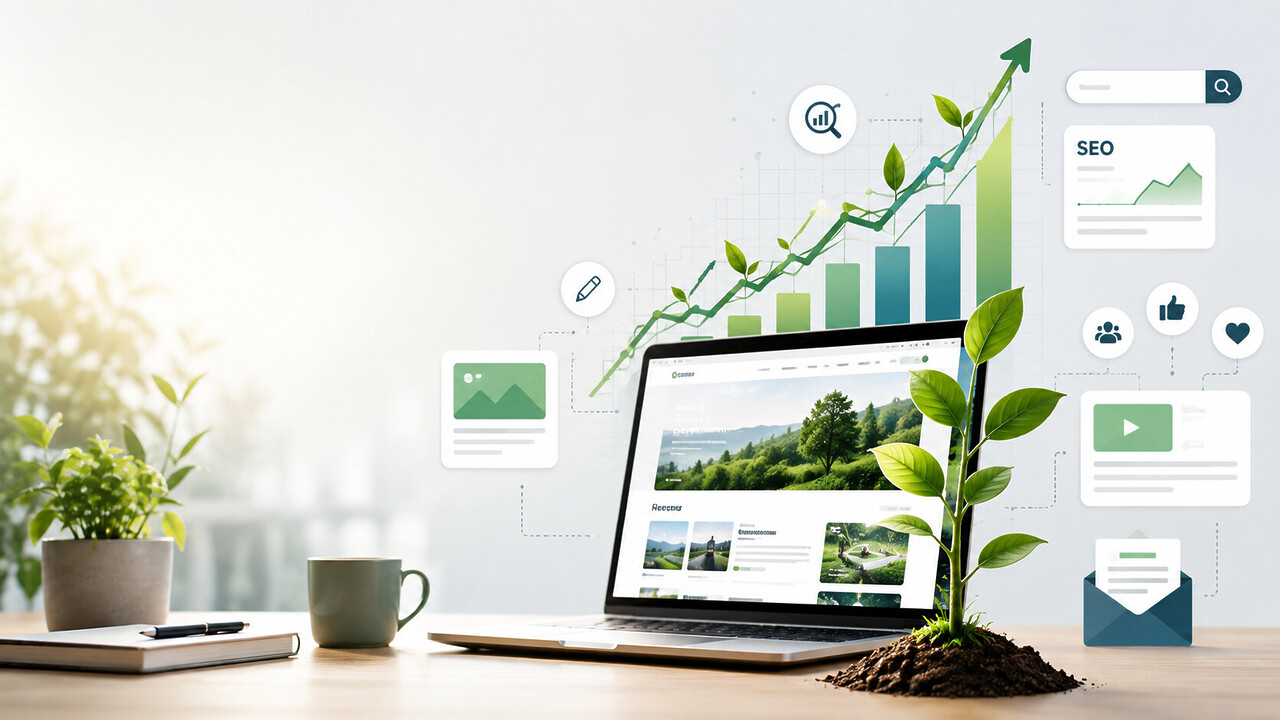
Erfolgreiche Unternehmen haben eines gemeinsam: Sie stehen bei Google ganz oben. Während andere im digitalen Nirgendwo verschwinden, ziehen Top-Rankings automatisch neue Kunden an. Unsere praxiserprobten Methoden bringen auch Ihre Website in die Erfolgsspur – ohne teure Werbeanzeigen.
Google page 1 – these tricks and measures will help you achieve it
Anyone who wants to reach Google page 1 must understand that visibility determines success or failure on the internet. Companies that conquer these coveted positions benefit from a continuous stream of visitors, while others remain practically invisible. This reality particularly affects small and medium-sized businesses that depend on cost-effective customer acquisition.
Current data shows the drastic differences between search positions: The first position achieves an average click-through rate of 28.5 percent. Already at position two, this drops to 15.7 percent, while position three only reaches 11.0 percent. Position ten is clicked by only 2.5 percent of searchers .
These figures illustrate why a Google page 1 ranking is so valuable. Even small improvements in rankings can lead to measurable increases in sales. The key is to systematically implement the right optimization measures.
What does it mean to appear on page 1 of Google?
The power of the first Google search results page
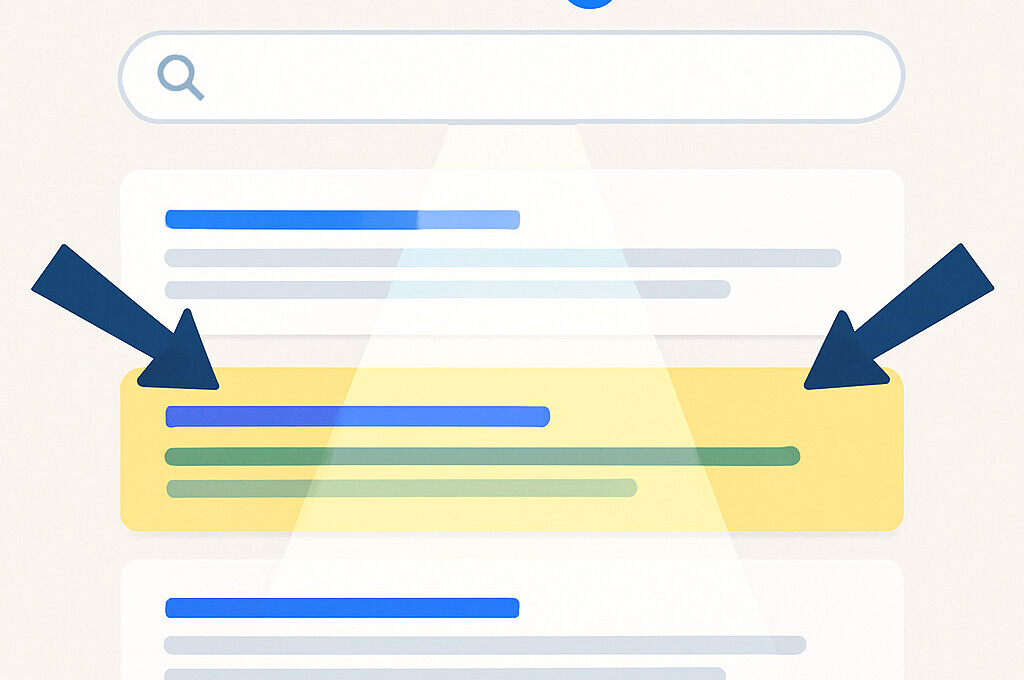
Google presents search results in a clear hierarchy. Paid ads appear at the top, followed by organic results. These unpaid positions are the goal of optimization efforts for most companies. Users clearly distinguish between advertising and natural search results, which is why Google page 1 rankings are so coveted.
| Position | Click-Through Rate (CTR) | Importance |
|---|---|---|
| Position 1 | 28,5% | Highest attention |
| Position 2 | 15,7% | Sharp Decline |
| Position 3 | 11,0% | Still relevant |
| Position 10 | 2,5% | Barely noticed |
Cultural factors significantly influence click behavior. German users tend to be more skeptical and check multiple results before deciding. Nevertheless, the vast majority focus on achieving the first page on Google. The quality of the snippet plays an important role in click-through rates.
The benefits of a page 1 Google placement
A top ranking brings measurable business benefits:
- Free Traffic significantly reduces dependence on paid advertising
- Predictable Revenue through continuous visitor flows
- Higher profit margins through reduced advertising costs
- Scalable reach without proportional cost increase
Trust and credibility automatically arise from high search positions. Users interpret appearing on Google page 1 as a quality indicator. This perception transfers positively to the entire company. Word-of-mouth and recommendations increase.
Long-term stability distinguishes organic rankings from paid campaigns. Once established positions can persist for months or years. Return on investment increases continuously as initial optimization costs amortize over longer periods.
The basics: How to get to Google's first page
Understanding Google's algorithm
Google evaluates websites based on over 200 different factors. Relevance is paramount: content must optimally answer search queries. User experience plays a central role – pages must load quickly and be easy to use. Mobile optimization is now mandatory, no longer optional.
Become more visible on Google & Social Media?
In a free strategy consultation for data-driven online marketing, we uncover your untapped potential, review any existing ad accounts if necessary, examine your SEO ranking and visibility, and determine which strategy is appropriate for your budget and which active measures will lead to more inquiries or sales.

✅ More visibility & perception through targeted placement
✅ More visitors > prospects > customers > revenue
✅ Reach target groups scalably with SEA
✅ Act and grow sustainably with SEO
🫵 Maximum success with our hybrid strategy
💪 More than 15 years of experience across industries in over 1,000+ projects demonstrable!






The Most Important Ranking Factors:
- Content quality and relevance
- Technical performance (loading times, mobile optimization)
- User experience (time on page, bounce rate)
- Authority and trustworthiness (backlinks, expertise)
- Security (SSL encryption, HTTPS)
Authority and trustworthiness develop through high-quality content and external links. Websites that reach Google page 1 are considered experts in their field. Consistent information and transparent communication strengthen the search engine's trust.
SEO Basics for Google Page One
Search engine optimization is divided into two main areas:
| SEO area | Includes | Time effort |
|---|---|---|
| On-Page SEO | Content, structure, technology | 60-70% of the work |
| Off-Page SEO | Backlinks, Mentions, Reputation | 30-40% of the work |
Realistic Timeline is crucial for success. First improvements typically appear after two to three months. Significant ranking jumps often require six to twelve months of continuous work. Patience and perseverance pay off in the long term.
Measurable goals help with success monitoring. Reaching page 1 on Google is only an intermediate step. More important are more qualified visitors, longer dwell time, and higher conversion rates. These metrics show the actual business success of the optimization measures.
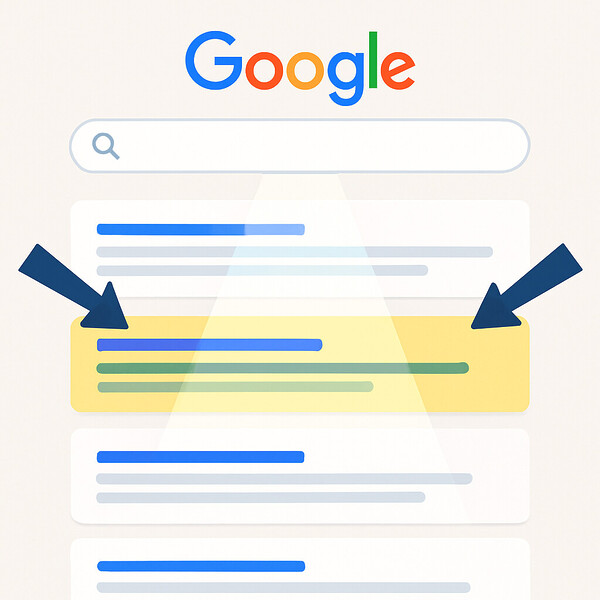
Strategies for ranking on Google page 1: The most important measures
1. Optimize website structure
A well-thought-out site architecture makes navigation easier for users and search engines. Each subpage should follow a clear thematic focus. Categories and subcategories form a logical hierarchy. Breadcrumb navigation shows visitors their position within the website at all times.
Best practices for website structure:
- Logical hierarchy with a maximum of 3-4 levels
- Thematic clustering of related content
- Internal linking between relevant pages
- Clear URL structure with descriptive paths
- XML Sitemap for Better Indexing
URL Structure reflects content organization. Descriptive URLs with relevant terms are both user-friendly and search engine-friendly. Short, concise paths work better than complicated parameter sequences. Consistent naming conventions create order and clarity.
2. Keyword Research and Optimization
Successful Keyword Strategies are based on thorough research rather than assumptions. Free tools provide valuable insights into search volume and competition. The language of the target audience can differ significantly from technical terms. Regional peculiarities influence search behavior and terminology.
Keyword placement for optimal impact:
| Position | Importance | Effect |
|---|---|---|
| H1 Heading | Very high | Define main topic |
| First Paragraph | High | Signal relevance |
| URL | High | Clarify the topic |
| Meta Title | Very high | Influence click-through rate |
| Meta Description | Medium | Set user expectations |
Long-tail keywords often offer better conversion chances than competitive main terms. Specific search queries show higher purchase intent. Less competition enables faster ranking success. The combination of different keyword types maximizes reach and supports the goal of achieving Google page one.
3. Content Creation for Google Page 1
High-quality Content answers user questions comprehensively and clearly. In-depth information establishes expertise and authority. Regular updates keep content relevant and current. Multimedia elements such as images, videos, or graphics significantly improve user experience.
Structure for Successful Content:
- Meaningful H1 heading with main keyword
- Introduction with clear value proposition
- Logical subheadings (H2, H3) for structure
- Short paragraphs for better readability
- Lists and Tables for complex information
- Conclusion with concrete recommendations for action
Uniqueness distinguishes successful websites from the competition. Copied content severely damages rankings. Original perspectives and experiences create added value. Authentic voice and personality build trust, promote audience loyalty, and help achieve page 1 rankings on Google.
4. Technical Optimization
Mobile optimization is no longer an optional feature. Google primarily evaluates websites based on their mobile version. Responsive design automatically adapts content to different screen sizes. Touch-friendly operation and readable font sizes improve the user experience on smartphones.
Technical checklist for better rankings:
| Area | Measure | Target value |
|---|---|---|
| Loading time | Optimized images, caching | < 3 Sekunden |
| Mobile | Responsive Design | 100% mobile-friendly |
| Security | SSL Certificate | HTTPS Standard |
| Code | Clean HTML/CSS | Error-free validation |
| Crawling | XML sitemap, robots.txt | Complete indexing |
Technical cleanliness prevents crawling issues. Correct use of HTML tags helps search engines understand content. Structured Data markup makes information machine-readable. Regular technical audits detect errors early and secure top positions on Google page 1.
5. Optimize meta data
Title Tags serve as the first business card in search results. They should concisely convey the main topic and spark curiosity. Important keywords belong at the beginning. Brand name at the end strengthens recognition. Uniqueness prevents confusion between different pages.
Optimal Meta-Data Structure:
- Title tag: 50-60 characters, keyword at the beginning
- Meta description: 150-160 characters, include call-to-action
- H1 Tag: Unique per page, describes main content
- Alt text: Description for all images
- Structured Data: Schema.org markup for rich snippets
Structured data enable rich snippets with additional information. Rating stars, prices, or availability information stand out. These enhanced displays improve visibility and click-through rates. Correct implementation requires technical understanding or professional support and can help you land on Google page 1.
Local Optimization: Regional ranking on Google page 1
Utilize Google My Business
Google My Business profiles are indispensable for local businesses. Complete information about opening hours, address, and contact details build trust. Regular posts demonstrate activity and timeliness. High-quality photos convey a professional impression.
Optimization of Google My Business profile:
- Complete business information with correct NAP data
- High-Quality Photos of business premises and products
- Regular posts about offers and news
- Quick answers to customer questions
- Collection of Reviews through active customer engagement
| Number of Reviews | Local Ranking Impact | Trust Effect |
|---|---|---|
| 0-10 | Low | Low |
| 11-50 | Medium | Moderate |
| 51-100 | High | Good |
| 100+ | Very high | Very good |
Consistent NAP data (Name, Address, Phone) strengthen local signals. Discrepancies between different directories confuse Google. Regular review and updating of all entries is necessary. Local citations in industry directories reinforce local relevance.
Local SEO strategies
Location-based Keywords integrate geographic terms naturally into content. Districts, regions, or landmarks expand local reach. Landing pages for different locations serve specific local search queries. Local events and news create regional relevance.
Local SEO factors by importance:
- Google My Business optimization (25%)
- Local citations and directories (20%)
- On-page local signals (20%)
- Local Backlinks (15%)
- Customer Reviews (10%)
- Social media signals (5%)
- Personalization (5%)
Mobile search dominates local queries. "Near me" search queries are continuously increasing. Quick information delivery about location and accessibility is crucial. Voice search requires optimization for natural speech patterns and presence on Google page 1.
Off-Page Optimization for Google Page 1
Backlink building
Qualitative Links far exceed quantitative ones. A high-quality link from an authoritative website is more powerful than hundreds of weak references. Thematic relevance of the linking page strengthens the effect. Natural link building over time proves more sustainable than aggressive campaigns.
Assessment of Backlink Quality:
| Factor | High | Means | Low |
|---|---|---|---|
| Domain Authority | >70 | 30-70 | <30 |
| Thematic Relevance | Exact match | Related | Unsuitable |
| Link Position | Content Area | Sidebar | Footer |
| Anchor text | Naturally varied | Keyword-optimized | Over-optimized |
Content Marketing generates links organically. Valuable content is voluntarily shared and linked. Studies, infographics, or useful tools attract natural links. Guest posts on relevant blogs expand reach and authority for Google page 1 success.
Strengthen Online Reputation
Brand mentions without links increasingly influence rankings. Google recognizes brand mentions even without direct links. Positive coverage in relevant media strengthens authority. Monitoring tools track mentions in real time.
Reputation Management Strategies:
- Proactive PR work for positive media coverage
- Social media engagement for visibility and interaction
- Influencer collaborations with industry experts
- Content seeding in relevant communities
- Crisis management for negative mentions
Long-term partnerships have a more sustainable effect than one-time campaigns. Authenticity determines success or failure. Consistent brand presence across all channels strengthens credibility and supports Google page one ambitions.
Avoid common errors
What You Should Not Do
Keyword stuffing does more harm than good. Unnatural accumulation of search terms appears spammy and worsens rankings. Google reliably detects over-optimized content. Readability should always be a priority.
Common SEO mistakes and their consequences:
| Error | Episode | Solution |
|---|---|---|
| Keyword Stuffing | Ranking Loss | Natural integration |
| Duplicate Content | Indexing issues | Unique Content |
| Slow Loading Times | High Bounce Rate | Performance optimization |
| Missing mobile optimization | Mobile ranking loss | Responsive Design |
| Black Hat Techniques | Google Penalty | White-hat strategies |
Black-hat techniques carry significant risks. Link buying, hidden text, or cloaking can result in penalties. Recovery after penalties is time-consuming and laborious. Sustainable white-hat strategies are more successful in the long term for achieving page 1 on Google goals.
Realistic expectations
SEO success requires time and consistency. Overnight success is unrealistic and usually not sustainable. Fluctuations in rankings are normal and no cause for alarm. Long-term trends are more important than daily positions.
Timeline for SEO success:
- 1-3 months: Technical improvements visible
- 3-6 months: First ranking improvements
- 6-12 months: significant ranking jumps
- 12+ months: Sustainable top rankings
Algorithm Updates change the rules regularly. Flexibility and adaptability are crucial. Focus on user benefit remains consistently important. High-quality content usually survives updates unscathed and achieves Google page 1 more sustainably.
Success measurement and monitoring
Monitoring tools
Google Search Console provides direct insights into search engine perception. Crawling errors, indexing status, and search queries are displayed transparently. Performance reports show developments over time. Free availability makes the tool indispensable.
Important SEO Tools at a Glance:
| Tool | Primary Function | Cost | Importance |
|---|---|---|---|
| Google Search Console | Search engine insights | Free | Essential |
| Google Analytics | Traffic Analysis | Free | Very important |
| PageSpeed Insights | Load Time Analysis | Free | Important |
| Mangools 5 in 1 SEO Tool | Keyword research, tracking | Premium | Important |
| Ahrefs | Backlink analysis, SEO audit | Premium | Important |

*Note: The links used here are affiliate links (commission links).
Google Analytics links SEO data with business results. Traffic sources, user behavior, and conversion paths are detailed. Goal configuration measures success quantifiably. Regular analysis uncovers optimization potential for achieving the first page on Google strategies.
KPIs for Google 1 page success
Organic traffic demonstrates the reach of SEO measures. Qualitative improvements are more important than raw visitor numbers. Target audience relevance determines the value of traffic. Regional distribution provides insights into local success.
Important SEO KPIs by Priority:
- Organic traffic – foundation of all success
- Keyword Rankings – Track position development
- Conversion rate – Measuring business success
- Click-Through Rate – Evaluate snippet optimization
- Time on page – assessing content quality
- Bounce rate – assessing user experience
| Metric | Good | Average | Need for Improvement |
|---|---|---|---|
| Organic Traffic | +20% | +5-10% | <5% |
| Bounce rate | <40% | 40-60% | >60% |
| Dwell Time | >3 min | 1-3 min | <1 Min |
| Conversion Rate | >3% | 1-3% | <1% |
Time on page and bounce rate reflect content quality. Longer visits signal relevant content. Low bounce rates show successful user guidance. These signals positively influence Google page 1 ranking.
Conclusion: The Path to Google Page 1
Getting to Google page 1 requires systematic approach and persistence. Content quality forms the foundation of successful rankings. Technical optimization creates the necessary prerequisites. Off-page measures strengthen authority and trust.
The success formula for top rankings:
- 40% Content quality – Relevant, unique content
- 30% Technical Optimization – Performance and user-friendliness
- 20% Off-Page Authority – Backlinks and reputation
- 10% Local Optimization – For regional businesses
User orientation is at the center of all optimization efforts. Google rewards websites that optimally answer search queries. Authenticity and expertise cannot be replaced by tricks. Long-term strategies outperform short-term tactics for sustainable page 1 on Google success.



 DE
DE