Improve Google Maps Ranking: The Ultimate Guide for Local Businesses
What does Google Maps Ranking mean?
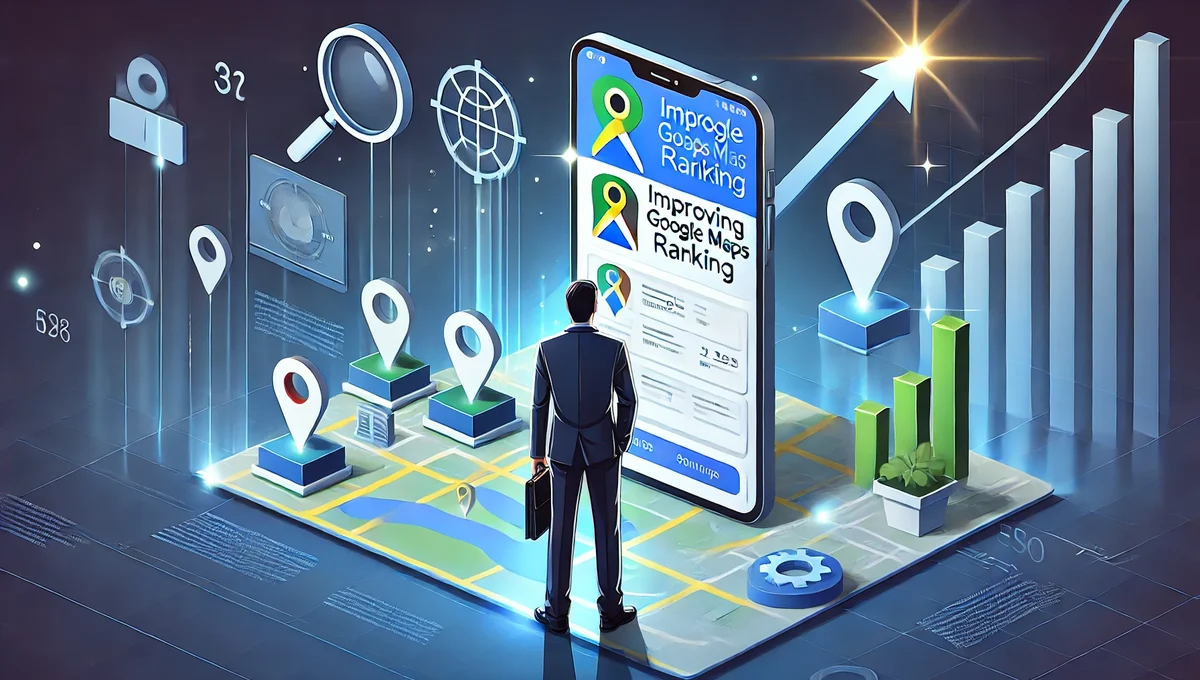
Google Maps ranking determines the visibility of businesses in local search results. The complex algorithm evaluates various factors to determine a business’s position. Businesses that want to improve their Google Maps ranking, in particular, need to understand the basic mechanisms and optimize them strategically.
The technical aspects of the ranking are based on precise evaluation criteria. Relevance for search queries, geographical proximity to the searcher, and established presence in the local market are the main factors. These elements directly influence the positioning in the search results.
The measurability of the ranking allows for systematic optimization of visibility. Regular analysis of the ranking position enables businesses to check the effectiveness of their measures. Continuous monitoring of the most important key figures forms the basis for a successful strategy to improve ranking in Google Maps.
The Importance of Local Search
Mobile search queries are increasingly dominating local search behavior. The rising number of „Near me“ searches highlights the need to specifically work on Google Maps ranking. Businesses that want to improve their local visibility must align their optimization strategy with this user behavior.
The Google Maps algorithm considers various local signals in its evaluation. The integration of local keywords, the optimization of the location profile, and the establishment of local relevance influence positioning. These factors significantly contribute to improving the ranking in Google Maps.
The analysis of user behavior shows clear trends in local search. Potential customers are increasingly using mobile devices to find out about local offers. The position in the Google Maps ranking directly influences the perception and purchasing decisions of searchers.
The Local Pack and its Significance
The Local Pack appears as a prominent element above the organic search results. This preferred placement makes it the most important goal for businesses that want to improve their Google Maps ranking. The limited number of three entries in the Local Pack intensifies the competition for these coveted positions.
The admission criteria for the Local Pack follow specific algorithms. Google evaluates the relevance of the business for the respective search query, geographical proximity, and general notoriety. These factors largely determine the chances of appearing in the Local Pack.
Continuous optimization of all relevant factors increases visibility. Businesses must consider various aspects such as profile completeness, review quality, and local relevance. Regular analyses and adjustments of the optimization strategy ensure good positions in the long term.

Become more visible on Google & Social Media?
In a free strategy consultation for data-driven online marketing, we uncover your untapped potential, review any existing ad accounts if necessary, examine your SEO ranking and visibility, and determine which strategy is appropriate for your budget and which active measures will lead to more inquiries or sales.

✅ More visibility & perception through targeted placement
✅ More visitors > prospects > customers > revenue
✅ Reach target groups scalably with SEA
✅ Act and grow sustainably with SEO
🫵 Maximum success with our hybrid strategy
💪 More than 15 years of experience across industries in over 1,000+ projects demonstrable!





Google My Business as the Foundation of Ranking
Optimizing the Google My Business Profile
The Google Business Profile forms the central basis for a successful Google Maps ranking. The complete design of the profile with precise company information sends important signals to the algorithm. Especially the correct categorization, authentic photos, and current opening hours directly influence the position in the local search results.
The integration of relevant keywords proves to be a decisive factor in improving the ranking in Google Maps. The company description, product information, and regular posts should contain naturally formulated keywords. This textual optimization supports the thematic relevance of the profile for local search queries.
The multimedia design of the profile plays a significant role. High-quality photos of the location, products, and team increase the attractiveness of the presentation. The integration of virtual tours and regularly updated image galleries enhances the positive evaluation by the algorithm.
Verification and Actuality
The verification of the Google Business Profile marks a crucial step towards improving the Google Maps ranking. The process confirms the legitimacy of the company and builds trust with Google and potential customers. Successful verification enables access to extended functions and analysis options.
The continuous updating of profile information significantly influences the ranking. Changes in opening hours, new service offerings, and seasonal adjustments must be entered promptly. These regular updates signal to Google the active maintenance of the profile and the relevance of the company.
Systematic monitoring of profile activities supports ranking optimization. The analysis of customer interactions, review patterns, and search queries provides valuable insights. This data enables targeted adjustments to improve the ranking in Google Maps.
Ranking Factors for Google Maps
Local Relevance
The local relevance of a business largely determines its position in Google Maps. The algorithm evaluates the congruence between location, offering, and search queries. Businesses must specifically optimize their online presence to improve their Google Maps ranking and increase local visibility.
The integration of local references in all profile information strengthens regional significance. Descriptions, posts, and updates should consistently contain local keywords and references. The mention of neighborhoods, landmarks, and regional specifics supports ranking optimization.
Networking with the local community contributes to increasing relevance. Collaborations with regional organizations, participation in local events, and engagement in local affairs strengthen the position. These activities signal to Google the active presence in the local market.
Ratings and Reviews
The quantity and quality of customer reviews significantly influence the Google Maps ranking. The algorithm not only evaluates the sheer number of reviews but also analyzes their timeliness and detail. Businesses that want to improve their ranking in Google Maps must therefore establish systematic review management.
Professional response to customer reviews plays a central role. Timely, individual, and solution-oriented responses to both positive and negative reviews demonstrate customer orientation. This active communication signals the company’s commitment to Google and strengthens its position in local search results.
The continuous generation of authentic reviews requires a strategic approach. Actively, but unobtrusively, asking satisfied customers to leave a review increases the flow of reviews. The integration of review requests into the customer service process supports the sustainable improvement of the Google Maps ranking.
NAP Consistency
NAP consistency (Name, Address, Phone) is a fundamental ranking factor for Google Maps. The exact match of this basic data across all online presences signals trustworthiness. Deviating information in different directories, however, can lead to a deterioration of the ranking.
The systematic review of company data requires regular audits. All relevant online directories, industry portals, and social media profiles must be checked for consistency. The immediate correction of discrepancies supports efforts to improve Google Maps ranking.
The implementation of central data management ensures long-term NAP consistency. Changes to contact details or location information must be systematically updated across all platforms. This coordinated approach strengthens the company’s credibility in the eyes of the algorithm.
Practical Measures for Ranking Improvement
Build Local Backlinks
The strategic building of local backlinks sustainably strengthens the position in Google Maps. Links from regional news portals, industry directories, and local organizations signal relevance. The quality and regionality of the backlinks directly influence the chances of improving the Google Maps ranking.
Active networking with the local business community opens up valuable linking opportunities. Collaborations with complementary companies, memberships in business associations, and participation in regional events generate natural backlinks. These organic links are particularly positively evaluated by the algorithm.
The continuous maintenance of the backlink structure requires regular monitoring. The analysis of existing links, the identification of new potential, and the cleanup of problematic links support ranking optimization. A balanced backlink profile with a strong local focus solidifies the position in the search results.
Image Optimization for Google Maps
Professional optimization of image material significantly contributes to improving the Google Maps ranking. The integration of high-quality photos of the company location, products, and services increases the profile’s attractiveness. A well-thought-out image concept with regular updates signals activity and strengthens the position in local search results.
Technical image optimization follows specific requirements for Google Maps. The use of meaningful file names, precise alt texts, and image descriptions supports ranking improvement. Especially the integration of local references in the image metadata enhances the regional relevance of the company profile.
The systematic updating of image material requires a continuous strategy. Seasonal shots, insights into daily business, and documentation of events keep the profile vibrant. This visual dynamism significantly contributes to improving the ranking in Google Maps.

Promote Customer Interaction
Actively promoting customer interactions plays a key role in Google Maps ranking. Prompt responses to customer inquiries, regular company updates, and professional communication across all available channels demonstrate engagement. These interactions signal the company’s customer orientation to Google.
The systematic use of all communication functions enhances profile activity. Sharing news via posts, maintaining the Q&A section, and integrating current offers increase user interaction. This continuous activity supports efforts to improve the Google Maps ranking.
Analyzing interaction behavior provides valuable optimization approaches. Evaluating popular content, frequent questions, and user reactions enables targeted adjustments. This data-driven optimization of customer interaction strengthens the position in local search results.
SEO Tools for Google Maps Optimization
Monitoring Tools
Professional monitoring tools support the systematic improvement of Google Maps ranking. Continuous monitoring of ranking position, competitive situation, and relevant key figures enables quick reactions. The data obtained forms the basis for targeted optimization measures.
Analyzing ranking changes requires specialized functions. The tools record position shifts, identify trends, and evaluate the effectiveness of implemented measures. This systematic monitoring helps companies continuously improve their ranking in Google Maps.
The integration of various data sources expands analysis possibilities. Linking ranking data with user behavior, review trends, and local visibility provides comprehensive insights. This holistic analysis supports the development of effective optimization strategies.
Analysis Tools
Google Maps analysis tools provide detailed insights into ranking factors. Comprehensive evaluation of the Google Business Profile, verification of NAP consistency, and identification of optimization potential enable targeted improvements. This systematic analysis helps companies effectively increase their ranking in Google Maps.
The tools offer specialized functions for competitive analysis. Comparison with successful competitors, identification of successful strategies, and analysis of market trends provide valuable insights. This information helps strengthen one’s position in local competition and improve Google Maps ranking.
Data-driven optimization enables measurable success. The tools assist in prioritizing measures, controlling success, and continuously adapting strategies. This systematic approach maximizes the effectiveness of all efforts to improve ranking.
Conclusion: Sustainable Improvement of Your Google Maps Ranking
Successful optimization of Google Maps ranking requires a holistic approach. Consistent implementation of all relevant measures, from basic optimization of the Google Business Profile to active customer interaction, forms the basis for sustainable improvements. Regular review and adaptation of strategies ensure long-term success.
The combination of various optimization measures maximizes the chances of an improved ranking in Google Maps. Technical profile optimization, building local relevance, and actively promoting customer interactions work together. This coordinated approach leads to measurable improvements in local visibility.
Investing in professional tools and systematic optimization pays off through increased local presence. Companies that continuously improve their Google Maps ranking gain a sustainable competitive advantage in the local market. The strategies and measures described provide a proven guide for successful optimization of local search engine position.



 DE
DE