QR codes are revolutionizing the hospitality industry by providing a seamless, contactless interface for interacting with customers, from menu display to order and payment processing. The self-design of QR code menus with cost-effective software that requires no ongoing fees offers hospitality businesses a flexible and efficient way to customize and optimize their services as hosts. The integration of communication channels such as WhatsApp expands the possibilities for customer interaction and order processing, enriching the customer experience and increasing operational efficiency. Find out more in the detailed article.
QR Code Gastronomy for Menu / Drinks Menu + Payment Function
In today’s fast-paced world of gastronomy, innovation and efficiency are key to success. With the advent of digital technologies, new opportunities have emerged to improve the customer experience and optimize operations. One such technology that has become established in the industry is the use of QR codes. These small but powerful tools are revolutionizing the way restaurants interact with their customers, from menu presentation to order and payment processing.
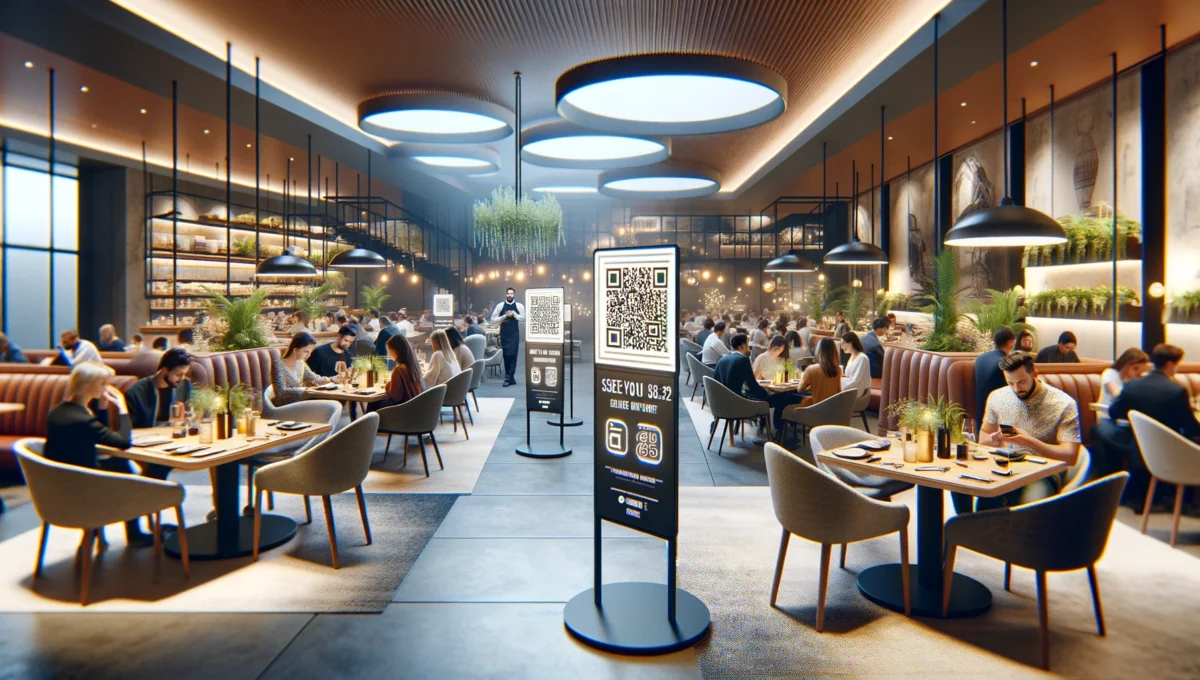
QR codes offer a seamless, contactless interface that not only prioritizes safety and hygiene, but also allows immediate access to digital content. By simply scanning a QR code with a smartphone, guests can perform a variety of actions, such as browsing the menu, placing orders, and even paying for their meals. This digital transformation allows restaurateurs to make their services more efficient while enriching the customer experience.
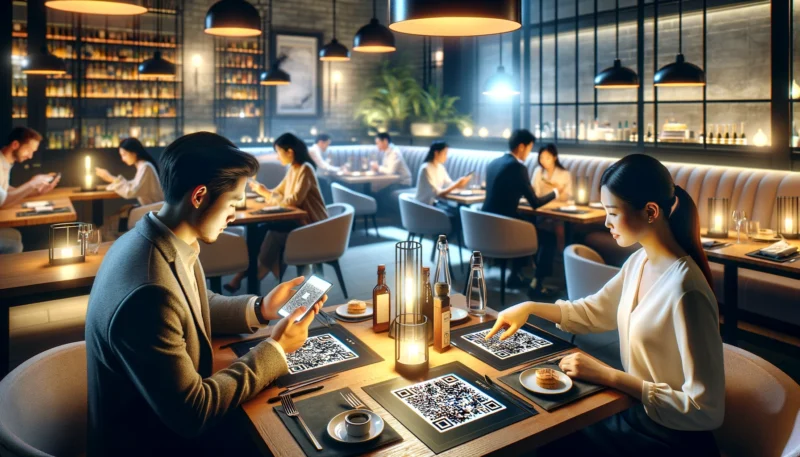
The ability to create QR code menus yourself, especially using cost-effective software that does not require ongoing fees, is particularly attractive for catering businesses of all sizes. These DIY approaches enable individual customization and rapid updating of content, which is particularly important in an industry where trends and customer preferences can change quickly. In addition, the integration of modern communication channels such as WhatsApp into the QR code menu system opens up new ways for direct and efficient communication with customers, be it for orders, inquiries or simply for feedback.
In this new era of gastronomy, QR codes are more than just a trend; they have become an integral part of modern restaurant operations. They offer a cost-effective, flexible, and user-friendly solution that not only simplifies operations but also creates an advanced and engaging customer experience. The combination of QR code menus and the integration of services like WhatsApp represents a powerful synergy that restaurateurs can leverage to expand their reach, increase customer satisfaction, and ultimately boost their revenue.
Digitalization in Gastronomy: The Use of QR Codes
Digitalization in gastronomy is advancing rapidly, and QR codes play a central role in this. They offer a simple and efficient method for digitally sharing information – from menus to payment options. The use of QR codes can significantly improve the customer experience by reducing waiting times and simplifying the ordering process. Additionally, QR codes allow for quick adjustments to menus and prices without the need for new print runs. This not only contributes to cost savings but also promotes sustainable practices.

QR Code Menus: Advantages and Challenges
QR code menus offer numerous advantages, including cost savings on printing and updates, as well as improved hygiene standards by minimizing physical contact. They allow guests to easily view menus (food + drinks) by scanning the QR code with their smartphone. One challenge, however, is ensuring that all customers, including those without technical affinity or a smartphone, have access to the menu information. Solutions for this could include the restaurant providing tablets or some printed menus as a backup.
Become more visible on Google & Social Media?
In a free strategy consultation for data-driven online marketing, we uncover your untapped potential, review any existing ad accounts if necessary, examine your SEO ranking and visibility, and determine which strategy is appropriate for your budget and which active measures will lead to more inquiries or sales.

✅ More visibility & perception through targeted placement
✅ More visitors > prospects > customers > revenue
✅ Reach target groups scalably with SEA
✅ Act and grow sustainably with SEO
🫵 Maximum success with our hybrid strategy
💪 More than 15 years of experience across industries in over 1,000+ projects demonstrable!







Advantages of QR Codes in Gastronomy
- Cost Efficiency: Savings on printing and updating costs for menus.
- Improved Hygiene Standards: Reduction of physical contact through digital menus and payments.
- Quick and Easy Updates: Allows for immediate updates to the menu and other information.
- Environmental Friendliness: Reduction of paper consumption and promotion of sustainable practices.
- Increased Customer Satisfaction: Faster service and improved ordering processes.
- Effective Data Collection: Gathering customer feedback and analyzing customer behavior for targeted marketing strategies.
- Contactless Payments: Increasing security and convenience in payment processes.
- Interactivity: Providing additional information such as ingredients or recommendations.
Challenges in Implementing QR Codes
- Technological Barriers: Not all customers own smartphones or are tech-savvy.
- Dependence on Internet Connections: A stable internet connection is required to access content.
- Security Concerns: Ensuring payment security and protecting customer data.
- Initial Costs: Development and maintenance costs for digital content and platforms.
- Personal Preferences: Some customers prefer physical menus or direct human contact.
- Data Protection: The need to ensure transparency and trust regarding data usage.
- Quality of Digital Content: The need to create appealing and user-friendly digital menus.
- Staff Training: The need to train employees in the use and support of QR code technology.
Contactless Payment: QR Codes as a Solution (optional but very practical)
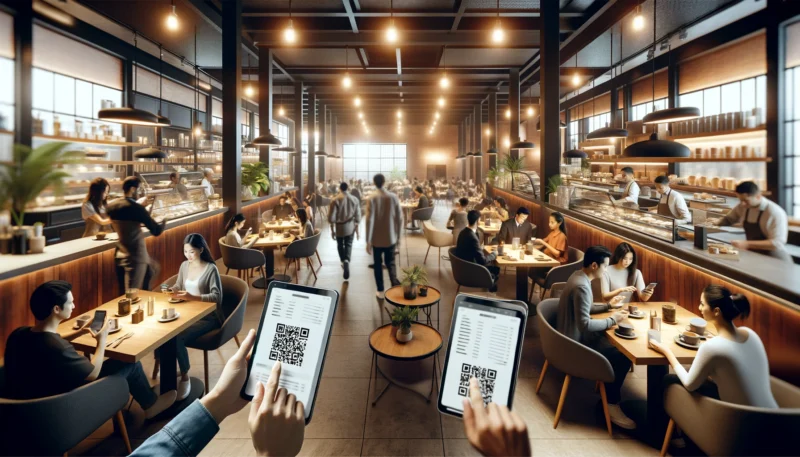
Contactless payment via QR codes offers a convenient and secure method for guests to settle their bills. By scanning a QR code at the table, customers can view their bill directly on their smartphone and make the payment using various apps or banking applications. This technology reduces the need for physical cards or cash and minimizes the risk of theft or fraud. A significant advantage is also the speed of the payment process, which particularly improves service during peak hours.
Customer Loyalty through QR Codes: Marketing Strategies for Restaurants
QR codes offer innovative opportunities for marketing and customer loyalty. Restaurants can use QR codes to draw customers‘ attention to special offers, events, or loyalty programs. By integrating QR codes into table displays, menus, or on the website, guests can be directed directly to online surveys, newsletter sign-ups, or social media. This not only increases customer interaction but also allows restaurateurs to collect valuable data about their guests‘ preferences and behavior.
Sustainability in Gastronomy through QR Codes
The use of QR codes supports sustainability efforts in gastronomy by reducing the need for physical materials. Digital menus and promotional materials reduce paper consumption and associated waste. In addition, QR codes enable dynamic adaptation of the offering, which can contribute to reducing food waste by, for example, only promoting dishes that are currently available or are to be sold preferentially.
Analysis and Feedback: Data Collection through QR Codes
QR codes are an effective tool for data collection and customer feedback. By asking guests to scan a QR code and leave feedback after their visit, restaurants can gain valuable insights into customer satisfaction and potential for improvement. This data can be used to personalize offers, optimize the menu, and improve service. Data protection and transparency regarding data usage are essential to maintain customer trust.
DIY Solution without Monthly Costs: Create Your Own QR Code Menu with or without Payment Functionality with Maximum Flexibility
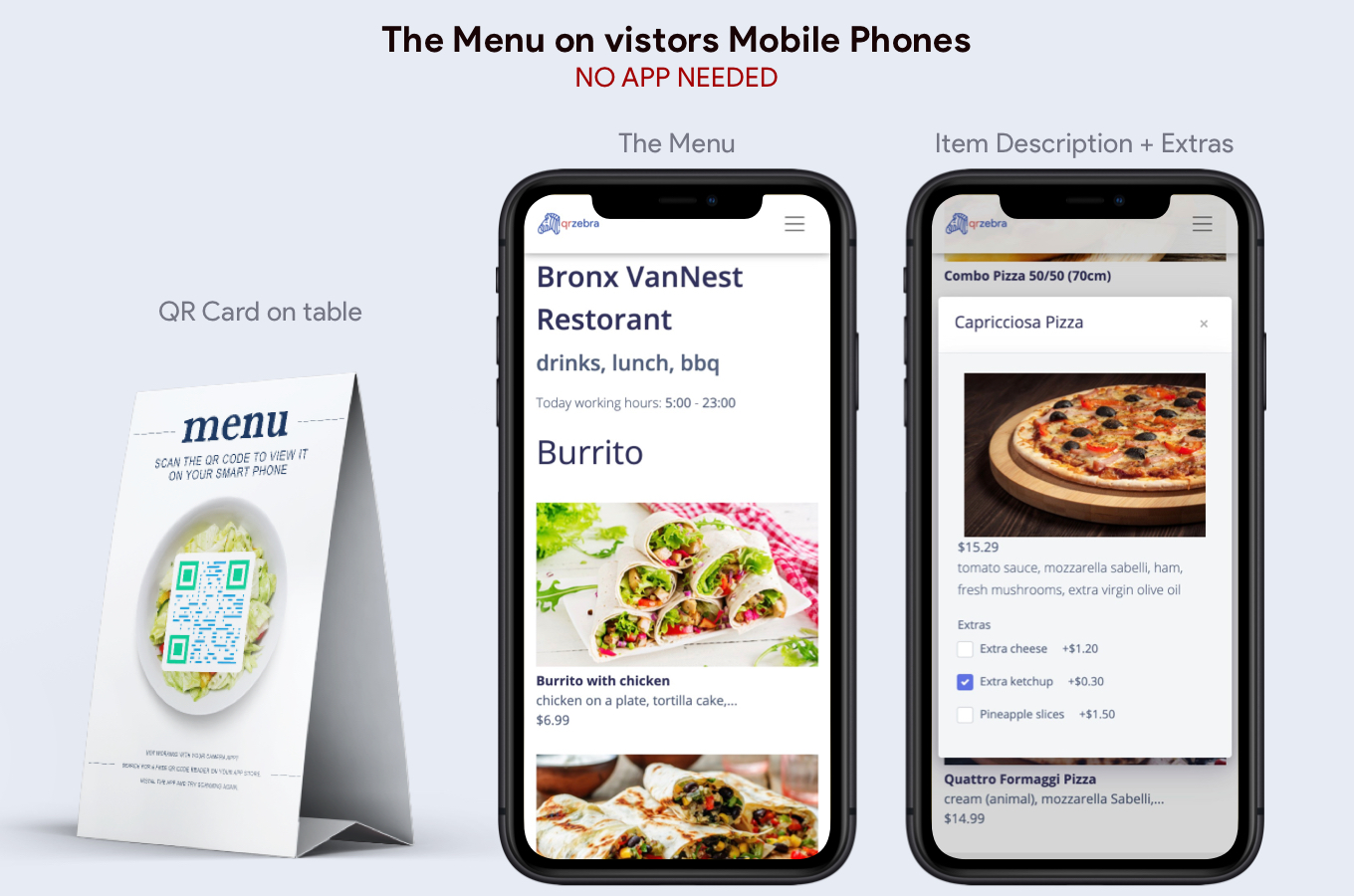
Creating a QR code menu*, especially for gastronomy businesses managing multiple restaurants, can be a challenge, particularly when the goal is to minimize costs while implementing a flexible, user-friendly solution. An effective strategy to achieve this goal is to use affordable software solutions from platforms like CodeCanyon, which allow you to create and manage digital menus without monthly fees. Here is a detailed guide on how to create a QR code menu with software from CodeCanyon, suitable for managing multiple restaurants.
Step 1: Selecting the Right Software
At CodeCanyon, a marketplace for software and plugins, you will find a variety of cost-effective solutions for creating digital menu cards. Look for software specifically designed for the hospitality industry that offers the following features:
- Multi-restaurant support: The ability to manage menus for multiple locations or different restaurants within one platform.
- One-time payment: Many tools on CodeCanyon only require a one-time payment instead of monthly fees, which saves costs in the long run.
- Easy menu management: An intuitive user interface that allows you to create, edit, and organize menu items.
- Customizable templates: Options to customize the design of your digital menu cards to match your restaurant’s branding.
- QR code generation: The direct generation of QR codes that customers can scan to access the digital menu card.
Our Favorite: QR Menu Maker*
Step 2: Setting up the Menu Card
After selecting the appropriate software, follow these steps to set up your digital menu:
- Installation and Configuration: Install the software according to the developer’s instructions. This may include setting it up on a web server or in a cloud environment.
- Create Menus: Begin by creating your menus. Add categories (e.g., appetizers, main courses, desserts) and then list individual dishes with descriptions, prices, and, if applicable, photos.
- Customization: Use the customizable templates to adapt the appearance of your menus to your restaurant’s branding. This may include color schemes, layout, and adding your logo.
- Generate QR Code: Once your menu is complete, generate a QR code that leads directly to this digital menu. This step is usually supported by the software.
Step 3: Implementation and Promotion
- Print and place QR codes: Print out the QR codes and strategically place them in your restaurant, e.g., on tables, in the entrance area, or in the display window.
- Inform customers: Inform your customers about the new option to scan the menu via QR code. This can be done through signs, table displays, or verbally by the service staff.
- Gather feedback: Collect feedback from your customers on the user-friendliness and content of the digital menu to make improvements.
Advantages of this method
The use of a one-time purchase software from CodeCanyon for creating QR code menu cards offers several advantages:
- Cost-effectiveness: By avoiding monthly fees, you reduce ongoing operating costs.
- Flexibility: The ability to quickly update and customize menus without having to print new QR codes.
- Scalability: The easy management of multiple restaurants via a single platform.

Florian Ibe
CEO & Marketing Consultant
Your contact person: Florian Ibe
Frequently Asked Questions and Answers on QR Code Gastronomy
1. How do QR code menus work and how are they created?
QR code menus work by scanning a QR code that contains a link to a digital menu. To create one, you need a digital version of the menu card, stored on a website or in the cloud. Then, various online tools can be used to generate a QR code that links to this digital menu. The codes can then be printed and placed in visible locations in the restaurant.
2. Are QR codes safe for payments and data transfer?
QR codes are generally safe for payments and data transfer, as long as they are created with the correct security protocols. It is important for restaurants to use secure platforms for QR code generation and payment processing that offer encryption and other security measures. Customers should only scan QR codes in trusted environments.
3. Can all customers use QR codes, even those without a smartphone?
Customers without a smartphone or those unfamiliar with the technology might have difficulty using QR codes. Restaurants should offer alternative access options for information and payment, such as on-site tablets or some printed menus.
4. How can restaurateurs improve the customer experience with QR codes?
Restaurateurs can improve the customer experience by using QR codes for personalized recommendations, quick access to menus, and easy payment options. Additionally, interactive elements like videos or dish reviews can enrich the experience. It is important that the content is current, easily accessible, and user-friendly.
5. What costs are associated with implementing QR codes?
The costs for implementing QR codes are relatively low. Creating the codes themselves is usually free or very inexpensive. The main costs arise from the development and maintenance of the digital content to which the QR code refers, such as the digital menu. These costs can vary depending on the complexity and scope of the digital offering.
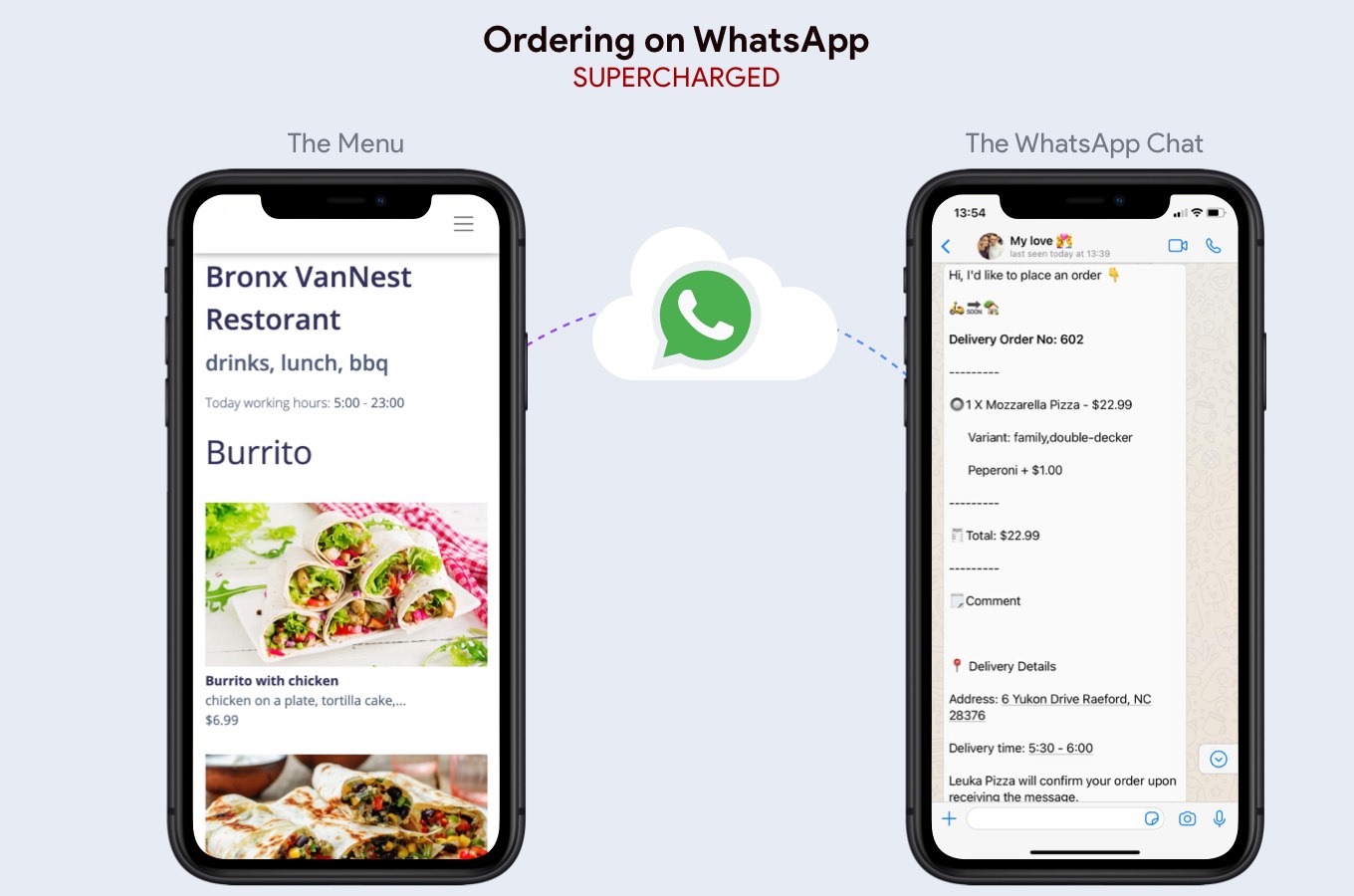
Add-on: Using WhatsApp for Restaurant Orders, Customer Contact, and More
To extend the functionality of your QR code menu and enable a direct connection with your customers via WhatsApp for orders, deliveries, or inquiries, you can adapt the software solution to include WhatsApp integration. Here’s how you can effectively implement this integration to improve your restaurant’s service and strengthen customer loyalty.
Step 1: Set up a WhatsApp Business Account
Before integrating WhatsApp into your QR code menu, ensure you have a WhatsApp Business Account . This offers additional features specifically developed for businesses, such as automated messages, quick replies, and the ability to present your business in detail.
Step 2: Plan WhatsApp Integration
Plan how WhatsApp will be integrated into the customer experience of your digital menu. Consider what actions customers can perform via WhatsApp, e.g.:
- Place orders: Allow customers to send orders directly via WhatsApp after viewing the menu via the QR code.
- Ask questions: Customers can ask questions about menu items or ingredients before placing an order.
- Delivery inquiries: For delivery services, customers can send their address via WhatsApp and clarify delivery details.
Step 3: Implement integration
To integrate WhatsApp functionality into your QR code menu, follow these steps:
- Create a WhatsApp contact link: Generate a direct WhatsApp contact link that allows customers to start a conversation with your business account with one click. Tools such as the WhatsApp Link Generator can be used for this.
- Integrate the link into the digital menu: Add the WhatsApp contact link as a call-to-action in your digital menu. This can be in the form of a button or a text link, e.g., „Order now via WhatsApp!“
- Update the QR code: Make sure that the QR code leading to your menu also includes access to the WhatsApp ordering function. This may mean that you adapt the QR code so that it leads customers to a landing page where they can both view the menu and use the WhatsApp ordering function.
Step 4: Promotion and Training
- Inform customers: Make your customers aware of the new option to place orders via WhatsApp. Use all available channels, such as your website, social media, and promotional materials in the restaurant.
- Train staff: Train your staff in handling WhatsApp orders, including managing orders and communicating with customers.
Benefits of this extension
Integrating WhatsApp into your QR code menu offers numerous advantages:
- Increased Customer Engagement: Direct communication via WhatsApp makes customers feel personally attended to.
- Flexibility in Ordering: Customers can place orders, ask questions, or provide feedback without switching apps.
- Efficient Order Processing: Orders and inquiries can be processed quickly and easily, leading to improved customer satisfaction.
By integrating WhatsApp into your QR code menu, you leverage the popularity and user-friendliness of WhatsApp to enhance the customer experience and simplify the ordering process for deliveries and other services.


 DE
DE