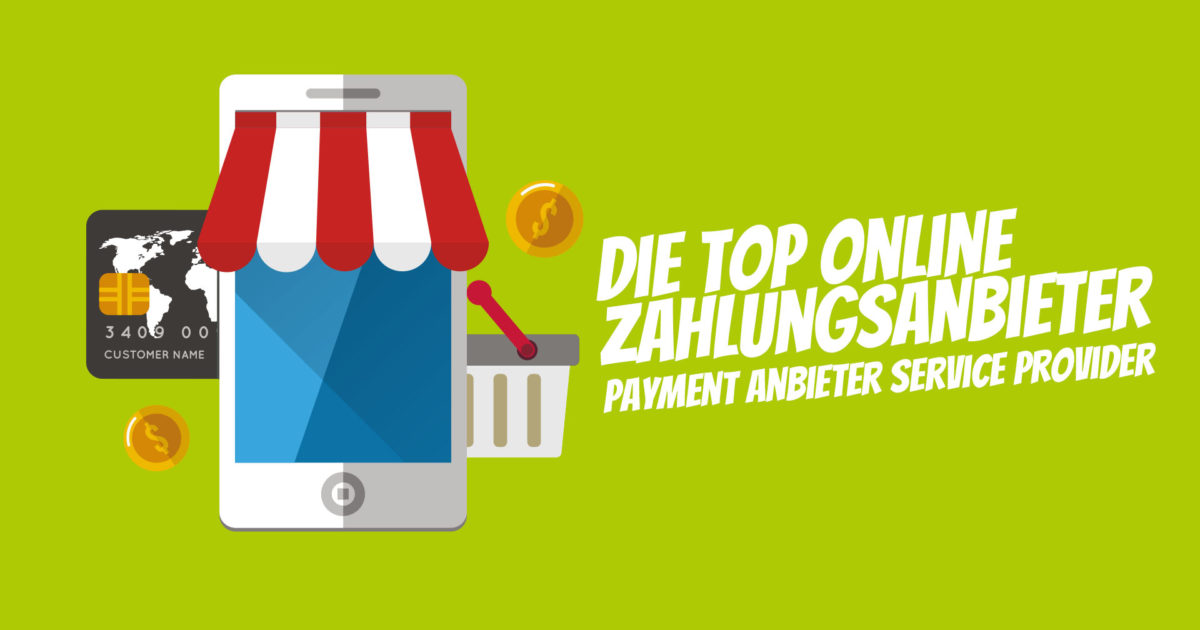
Every online shop needs at least one, preferably 3-5, online payment providers (Payment Service Providers) so that customers can flexibly and, most importantly, easily pay for their goods and complete their purchase. Approximately 90-95% of customers in B2C, and increasingly in B2B, place great importance on the right payment method via the appropriate payment provider. Without this, the bounce rate increases, and the shopping cart is not completed at checkout, leading to payment abandonment.
The Top Online Payment Providers (Payment Service Providers) for Your Online Shop (B2C & B2B)
First, a Payment Service Provider (PSP) / Payment Gateway, in German Zahlungsdienstleister, Zahlungsanbieter or Zahlungsabwickler, is a company that offers payment methods / payment services as a technical processing solution. It usually acts as an interface between the online shop (e-commerce platform) and the customer’s bank, credit card, or payment medium. This applies to online payment methods (PayPal, Klarna, Mollie, Amazon Pay, etc.), mobile payment (Apple Pay, Google Pay), credit cards (Master Card, VISA, American Express), EC & debit cards (VR & Sparkassen cards, Maestro), Bitcoin and other coins, and much more. The PSP securely and reliably connects sellers with buyers and typically receives a transaction fee and a percentage of the purchase value / shopping cart value. The transaction fee is for processing the payment, and the percentages are often for the buyer protection, customer protection, and direct contact in case of a dispute.
Most providers have their own credit rating system and check in milliseconds whether the customer, based on the data entered in the shop, can actually afford this payment. Often, data from SCHUFA, CRIFBÜRGEL, or Creditreform are consulted, and in the case of Klarna and PayPal, their own „rankings“ are also created. This is also the most common reason why payments are rejected or cannot be fully completed. Customers who, for example, do not pay their PayPal invoices on time, are always overdue with Klarna, or have even once failed to pay a leasing contract on time, can negatively influence their own credit index in the background of the payment providers.
The error lies 99% with the end customer and not with the shop! Poor credit rating = no payment with extended payment terms or credit card, etc.
The payment service provider often also handles debt collection, and the online retailer receives their money „immediately.“
Update March 2025:
non-binding, no fixed term and no fixed costs
Our Top 3 Payment Providers – Comparison and Recommendation for Every Online Shop Operator & Online Retailer with a Webshop
As an online marketing agency with a focus on WooCommerce shops, we have seen several payment providers come and go over the past 10+ years. The market leaders remain and are also growing ever larger, acquiring new or small payment service providers (example: Klarna -> Sofortüberweisung).
Become more visible on Google & Social Media?
In a free strategy consultation for data-driven online marketing, we uncover your untapped potential, review any existing ad accounts if necessary, examine your SEO ranking and visibility, and determine which strategy is appropriate for your budget and which active measures will lead to more inquiries or sales.

✅ More visibility & perception through targeted placement
✅ More visitors > prospects > customers > revenue
✅ Reach target groups scalably with SEA
✅ Act and grow sustainably with SEO
🫵 Maximum success with our hybrid strategy
💪 More than 15 years of experience across industries in over 1,000+ projects demonstrable!






No. 1: PayPal Payment with PayPal Plus, PayPal Purchase on Account, PayLater Installment Purchase
Everyone knows PayPal, and almost everyone has it. Over 95% of users accept PayPal. Even if some users have had negative experiences with the provider, PayPal is 99% reliable and also expands its service offering with purchase on account and PayLater installment payments.
PayPal combines all important direct debit, EC, debit, credit cards, and wallets.
The ideal combination is also Amazon Pay (https://pay.amazon.com). Few users know that they can also pay in third-party shops with their regular Amazon account. In Germany, a usage rate of under 5% is assumed, with an upward trend. Depending on the target group, however, usage can increase to up to 50%.
In the case of WooCommerce, we prefer this solution:
Solution: WooCommerce PayPal Plus not working (Cancelled/Aborted)
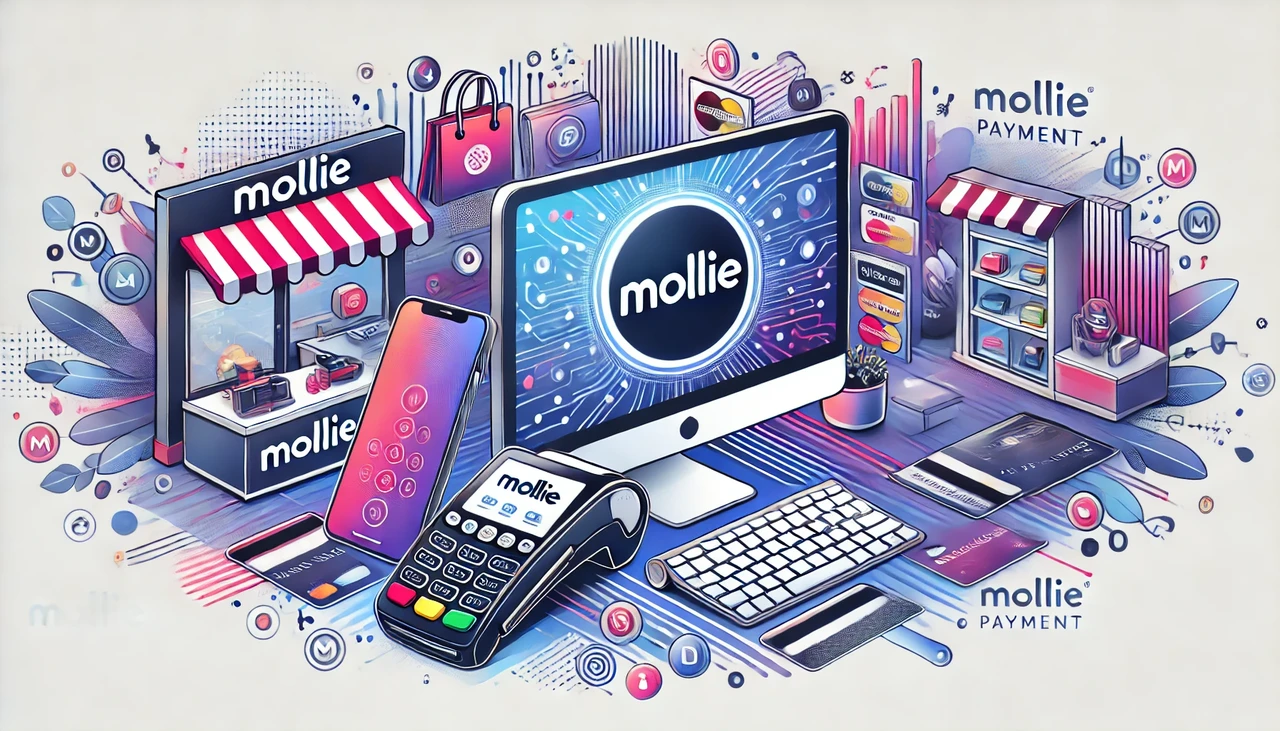
No. 2: Mollie Payment
In a nutshell: Mollie essentially combines EVERYTHING you need and even replaces PayPal and various other payment providers, as Mollie acts as an intermediary, providing a platform where almost all payment methods available on the market can be integrated into the shop via its flexible API. All common CMS and webshop systems are supported.
No minimum contract term and no fixed costs!!!
More on this in our detailed article:
No. 3: Stripe
The PayPal competitor with potential and fewer restrictions, focusing on credit cards and modern online payments.
Another tip: Klarna Payment
Originally launched as Sofortüberweisung.de, the company was acquired by Klarna. Klarna handles the purchase and offers direct debit, installment payments, or purchase on account. With purchase on account, there is no risk for the seller/merchant, as Klarna assumes the risk for a service fee (factoring similar to PayPal purchase on account).
Disadvantage: Monthly basic fee + Only a few payment methods possible
By the way, fully integrated into Mollie!
Other payment methods and payment providers for the German market
In addition to the top providers mentioned above, there are a whole host of other payment service providers and banks that have opened up to e-commerce. We advise against these payment methods due to their low acceptance and often higher fees and long-term contracts.
These include:
- Interbank systems: iDEAL (Netherlands), Giropay
- paydirekt
- Paymorrow
- Saferpay
- Barzahlen
- Skrill (high chargeback fees)
- Heidelpay
- Payone
- Worldpay
- concardis
- AfterPay
Of course, the classic should never be missing: Prepayment (payment by bank transfer).
Cash on delivery is almost no longer in use and is hardly ever used or offered.

Florian Ibe
CEO & Marketing Consultant
Your contact person: Florian Ibe


 DE
DE